Intended Use
A light jacket for everyday wear and a thick outer layer need different features. Look at lining, closure, hood and pockets before colour.

THE PIKOBUY CATEGORY EDIT
Compare everyday jackets, puffers, parkas and other outer layers by cut and intended use. Check the fit over your usual clothing, then review the fastening, lining, pockets and any stated material specifications.
24 selected finds · 18 named brand labels · Snapshot 5 Nov 2026
BEFORE YOU SHORTLIST
A light jacket for everyday wear and a thick outer layer need different features. Look at lining, closure, hood and pockets before colour.
Use a jacket that fits over your intended layers. Record garment length and sleeve measurements as well as flat chest width.
A technical-looking fabric or badge does not establish waterproofing, insulation or a temperature rating.
DIFFERENT LABELS. MORE POSSIBILITIES.
Compare the item, its options and the reference price. Open a product for its saved details and available QC images. USD estimates exclude shipping and fees.
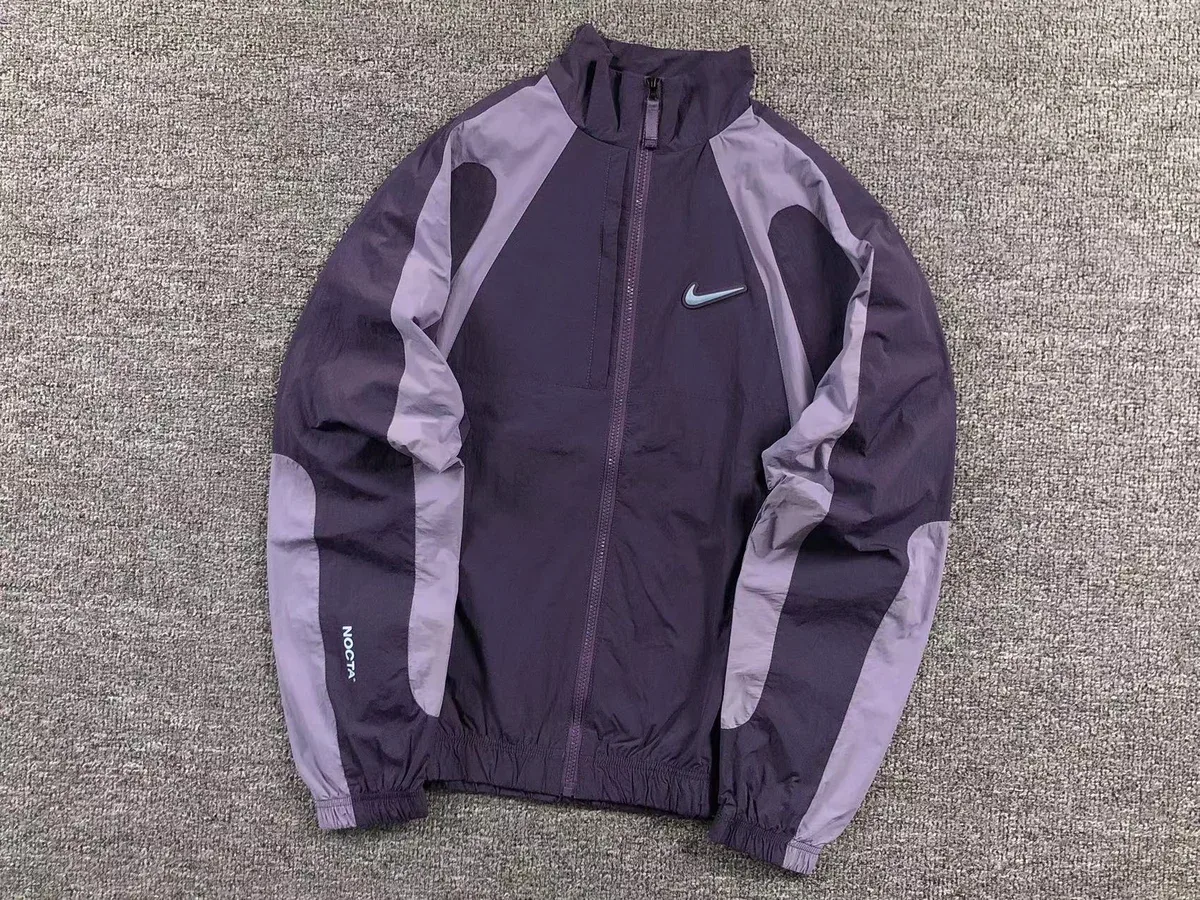 QC reference
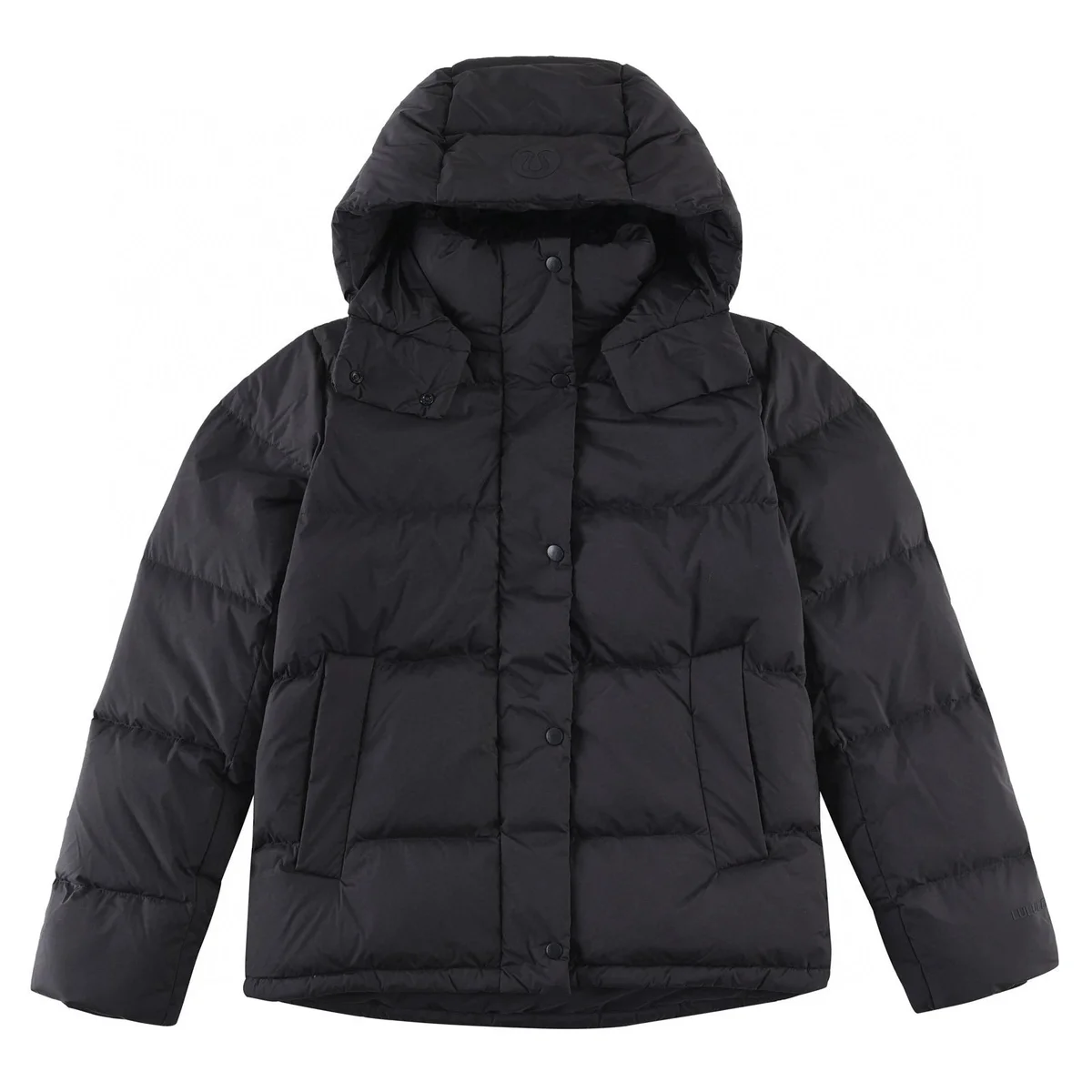 QC reference
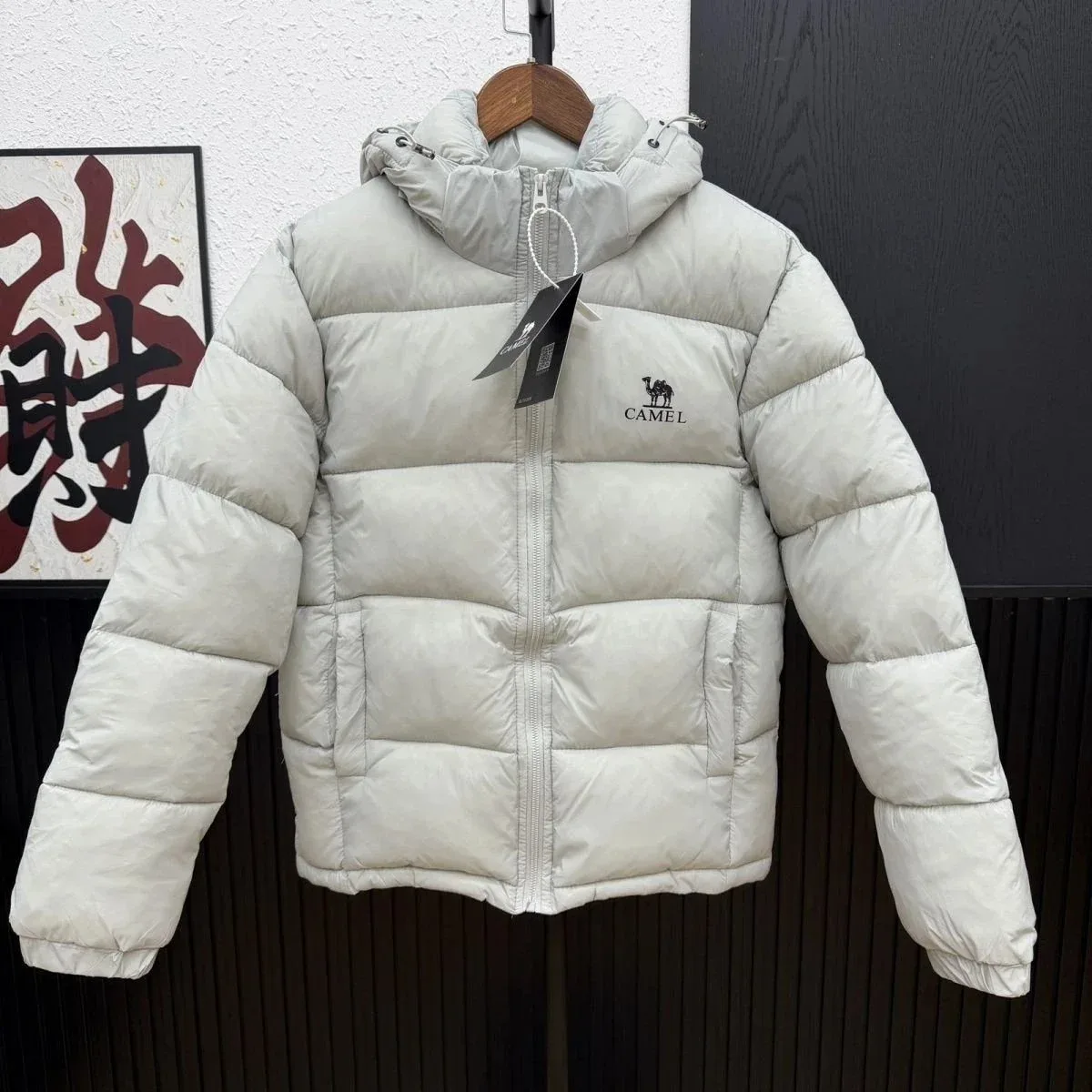 QC reference
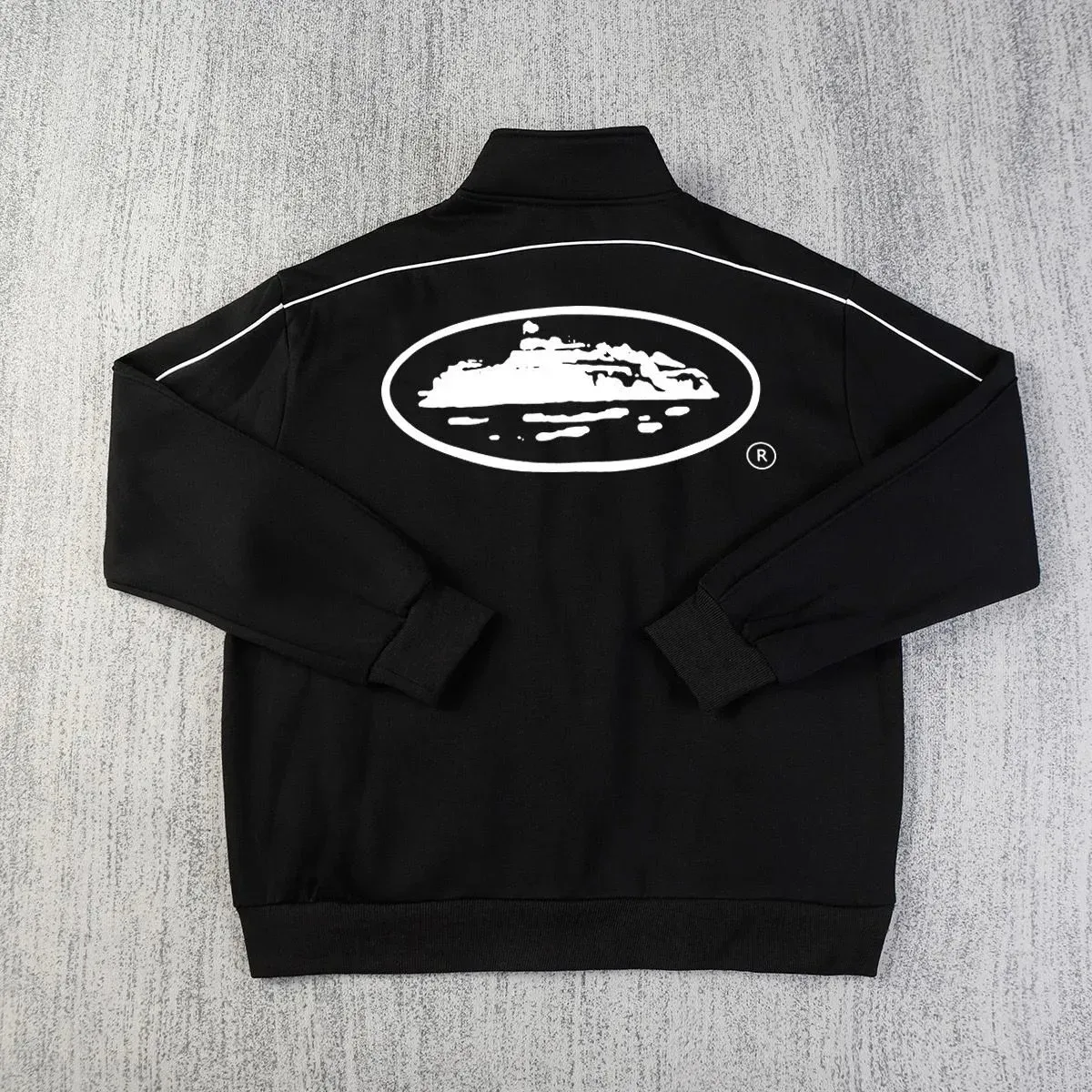 QC reference
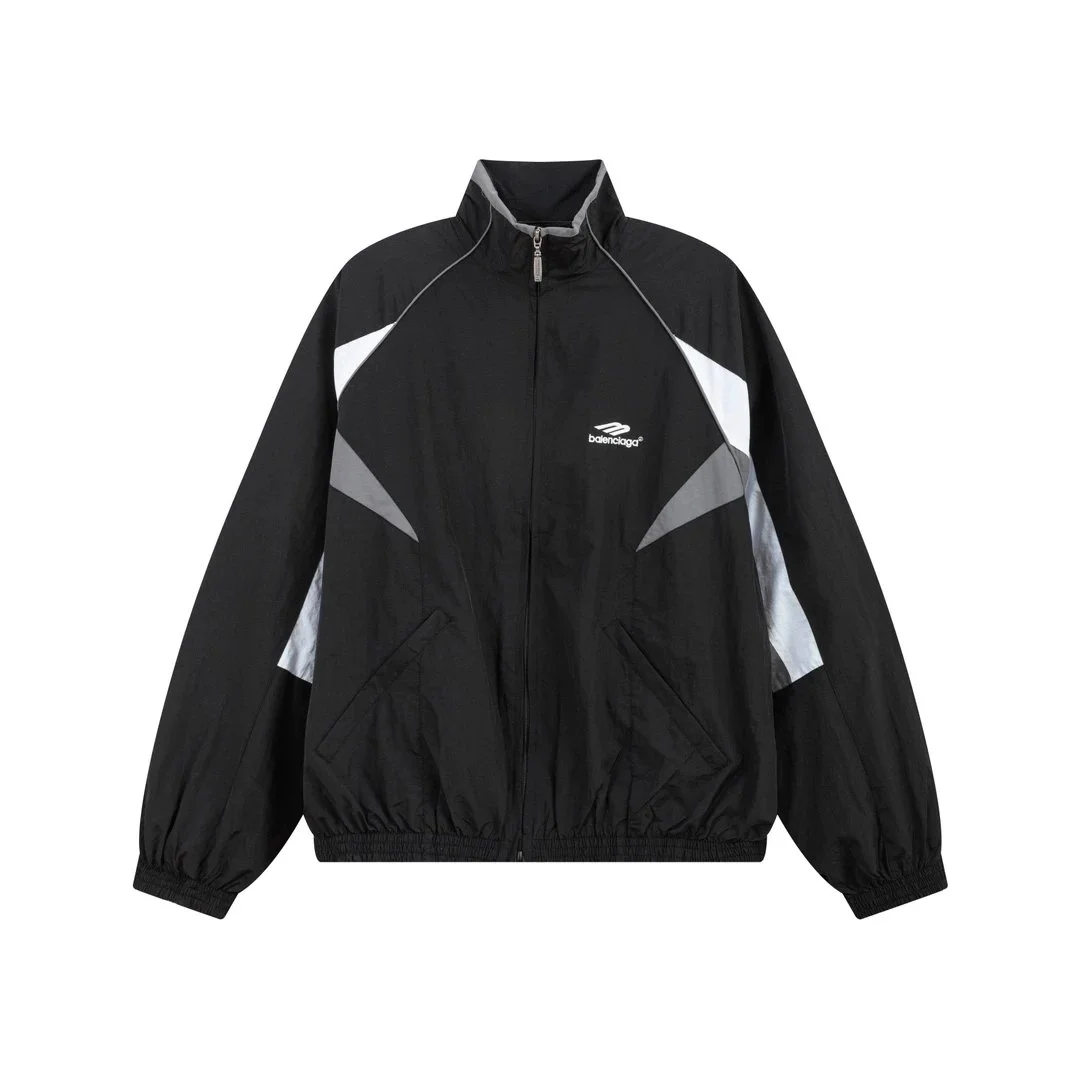 QC reference
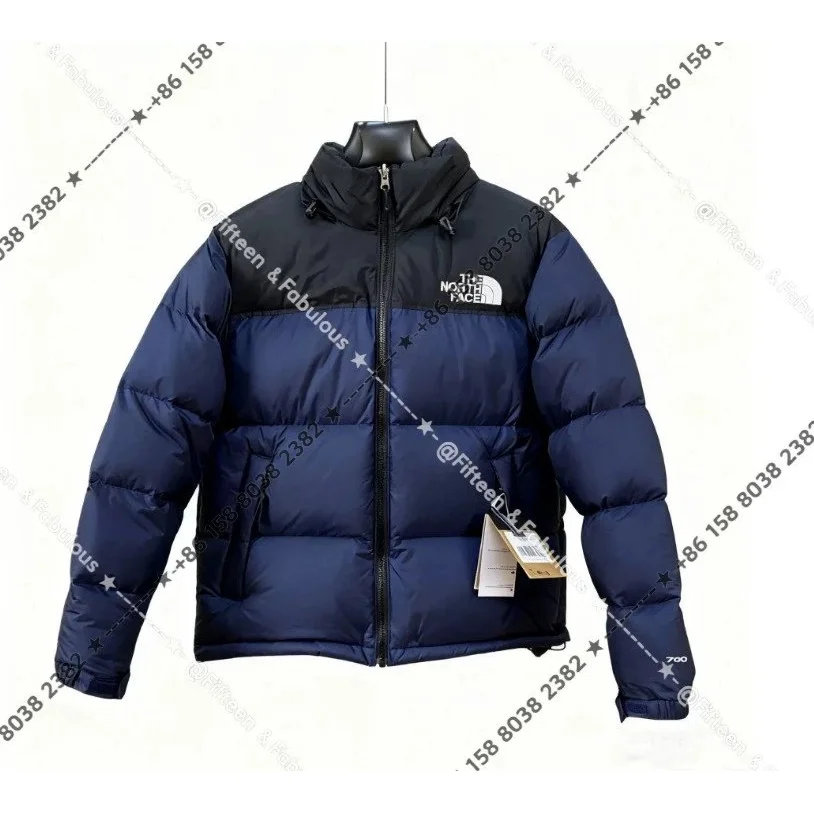 QC reference
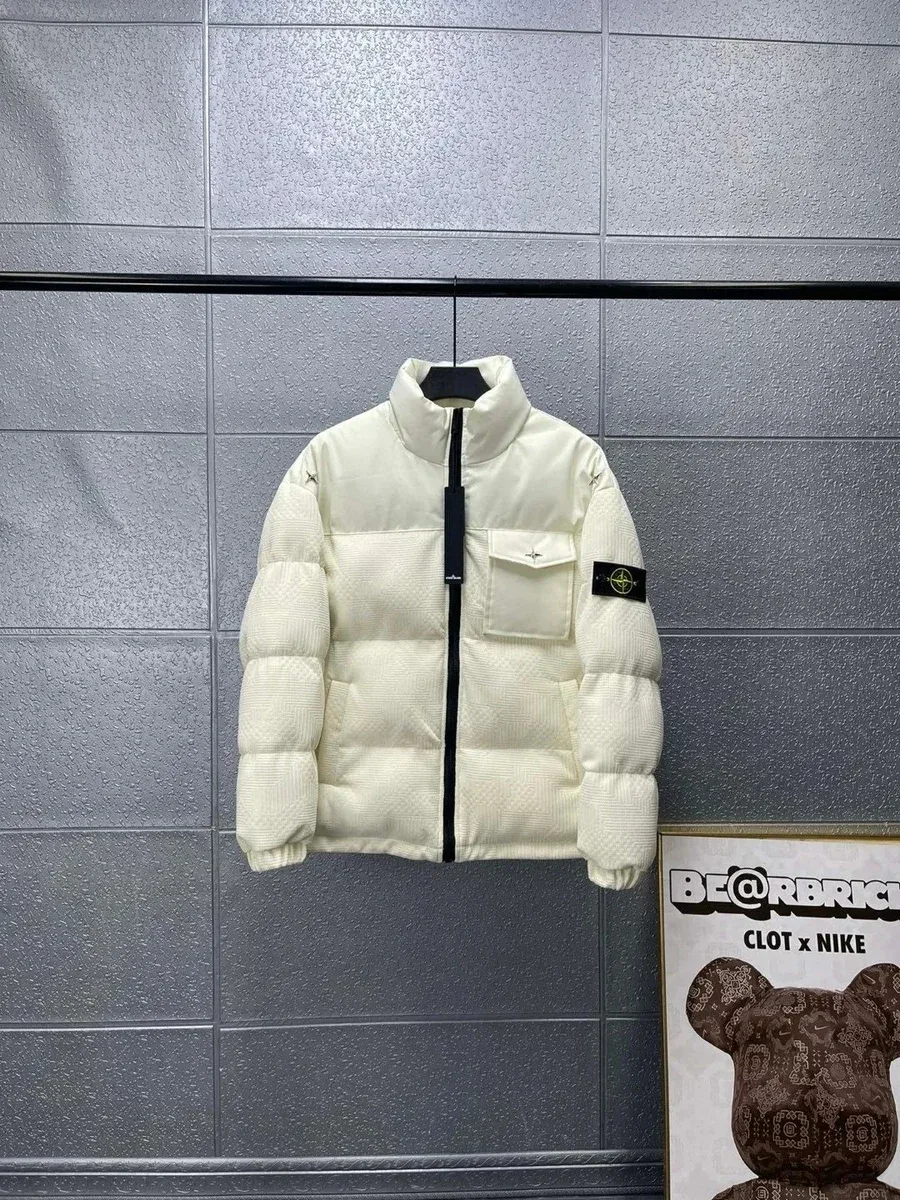 QC reference
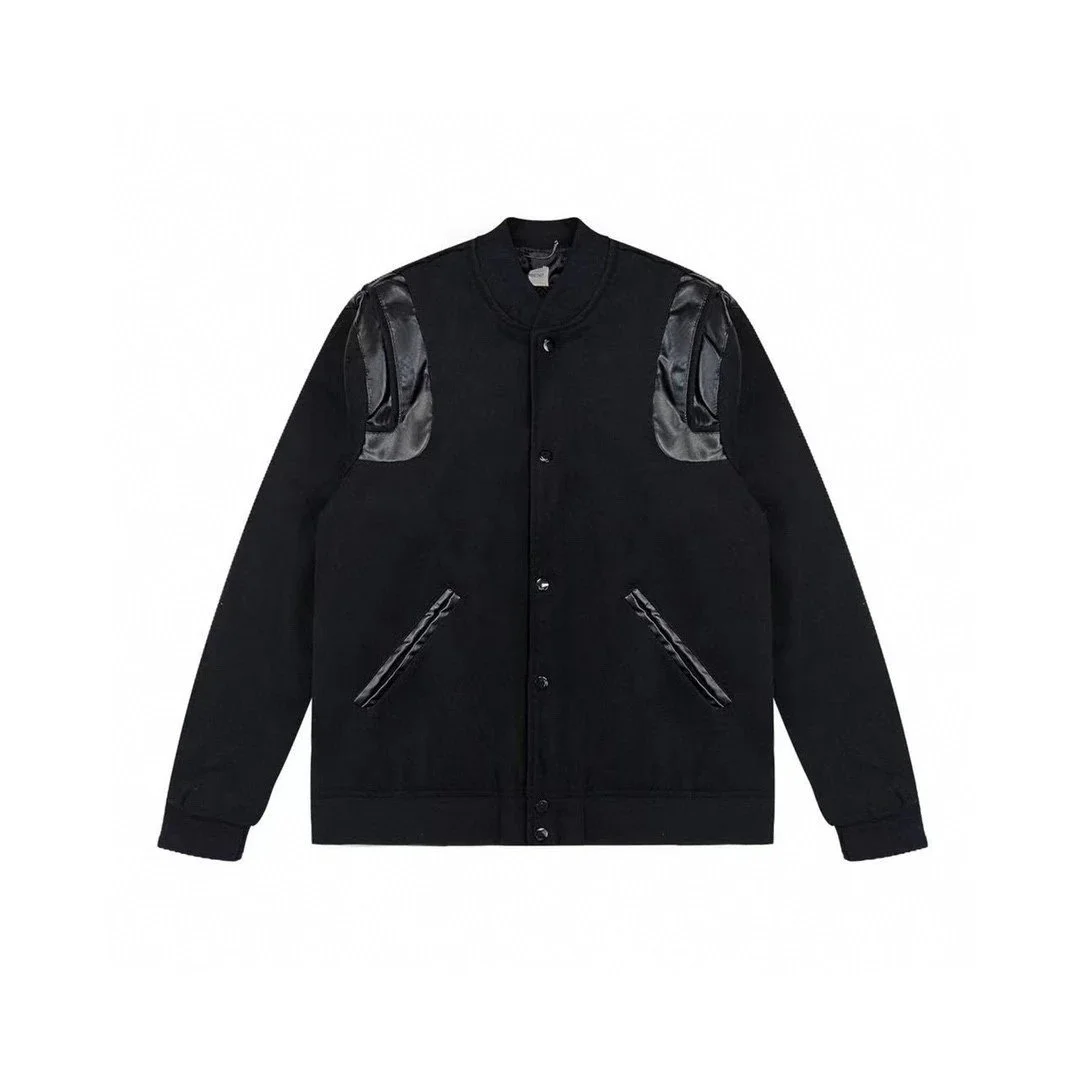 QC reference
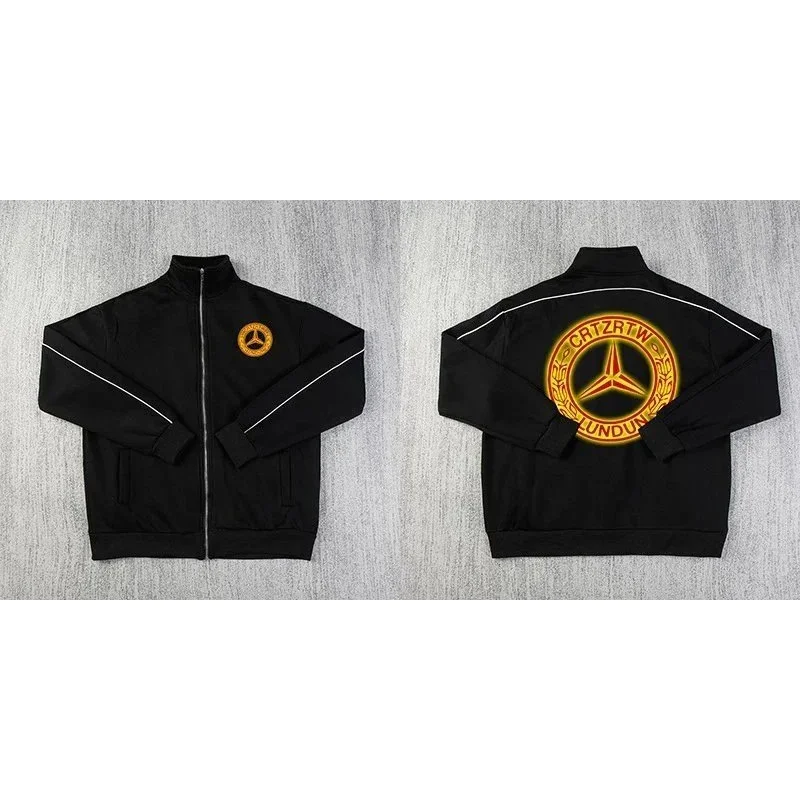 QC reference
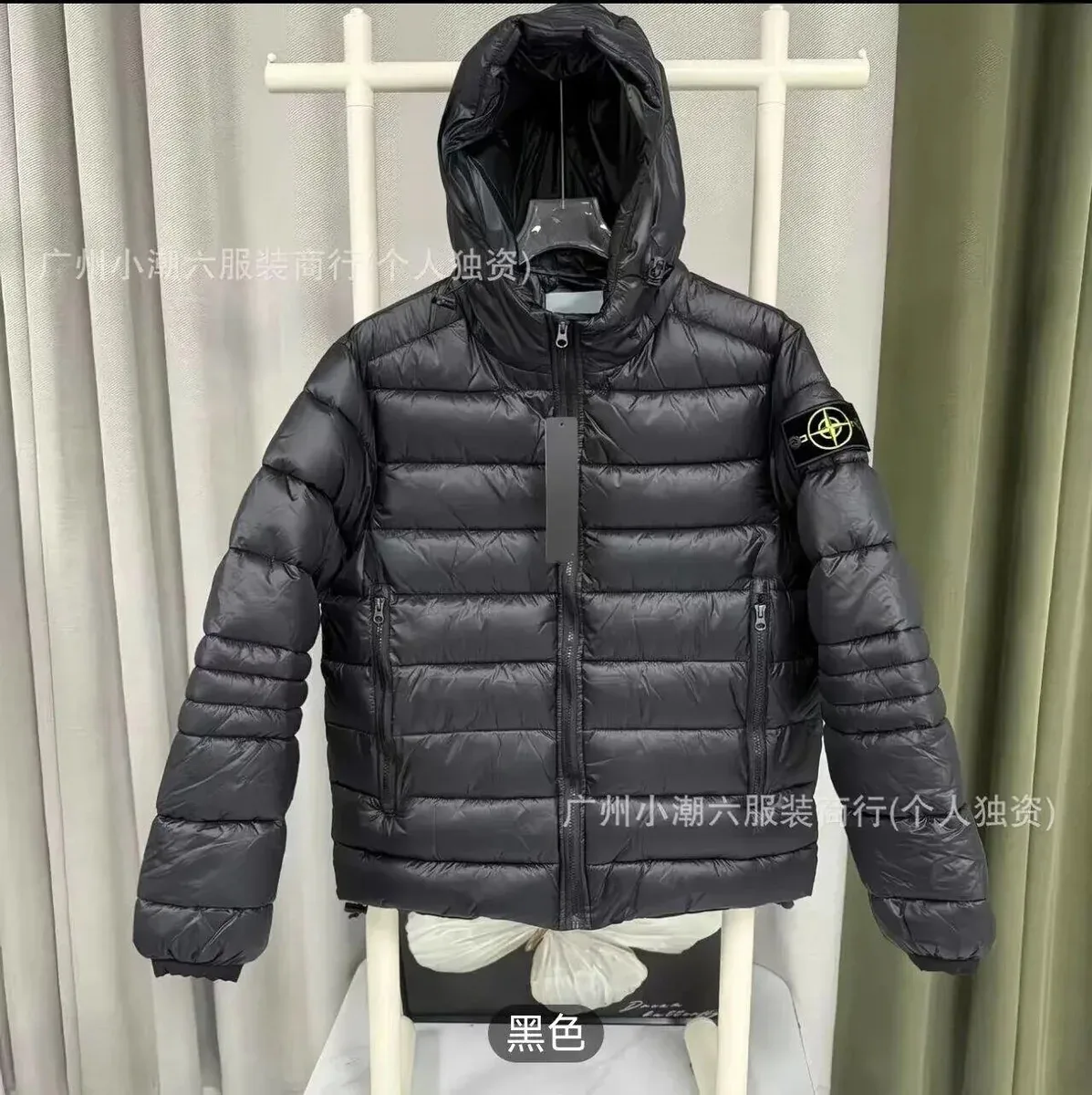 QC reference
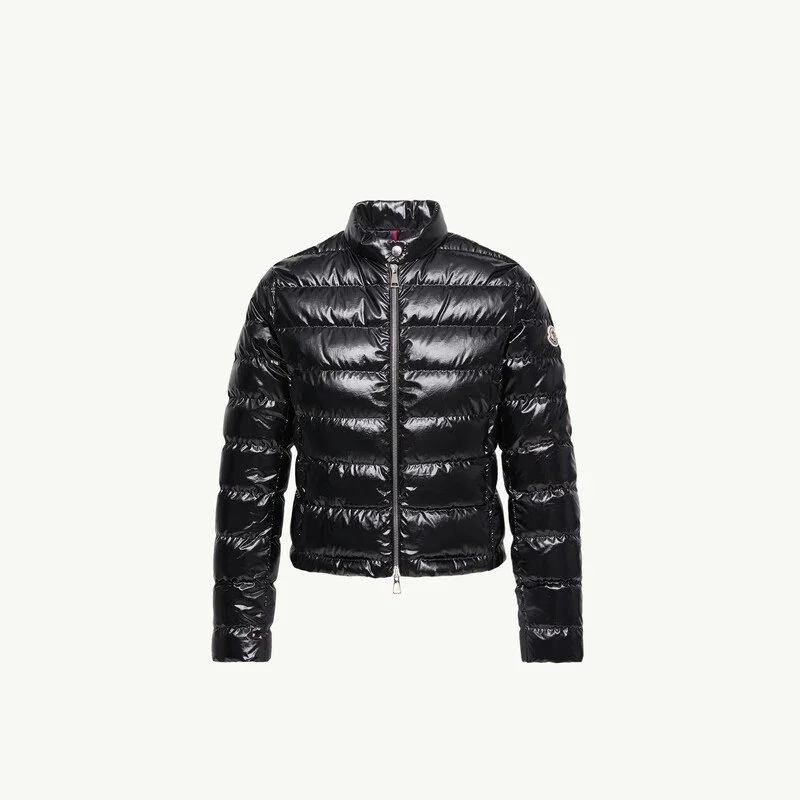 QC reference
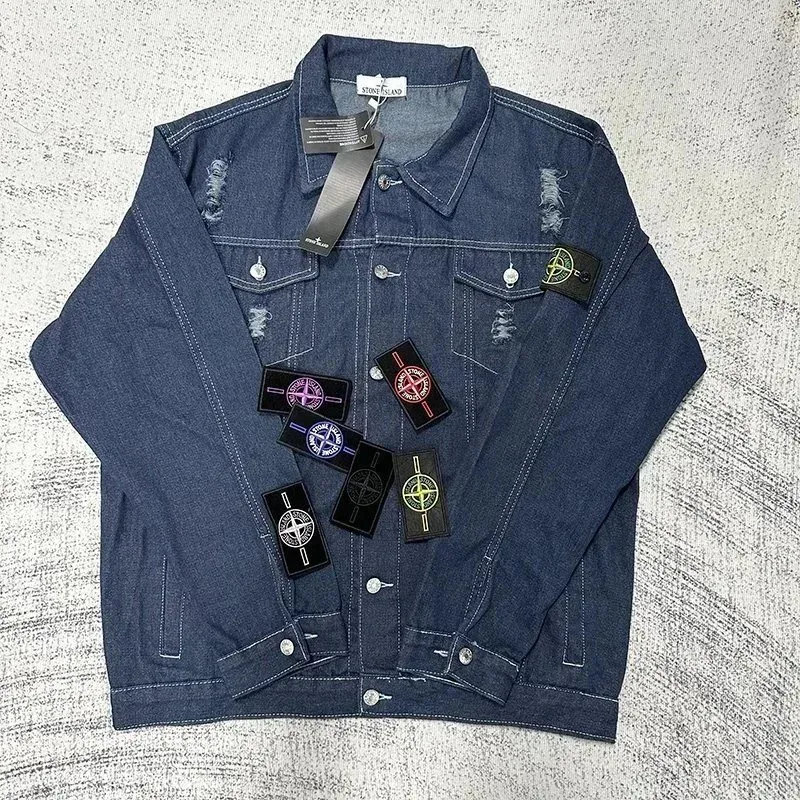 QC reference
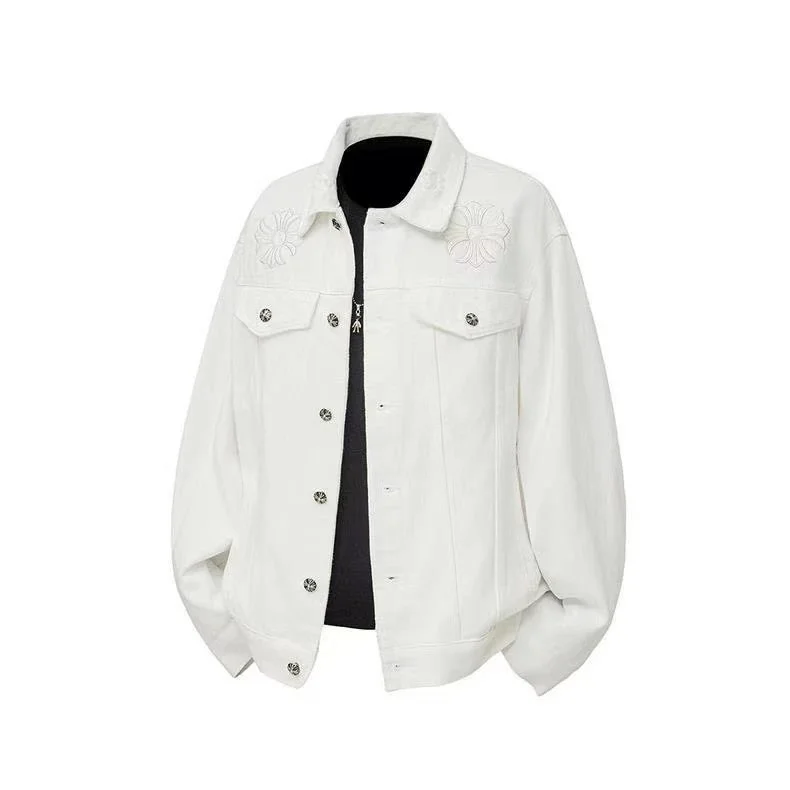 QC reference
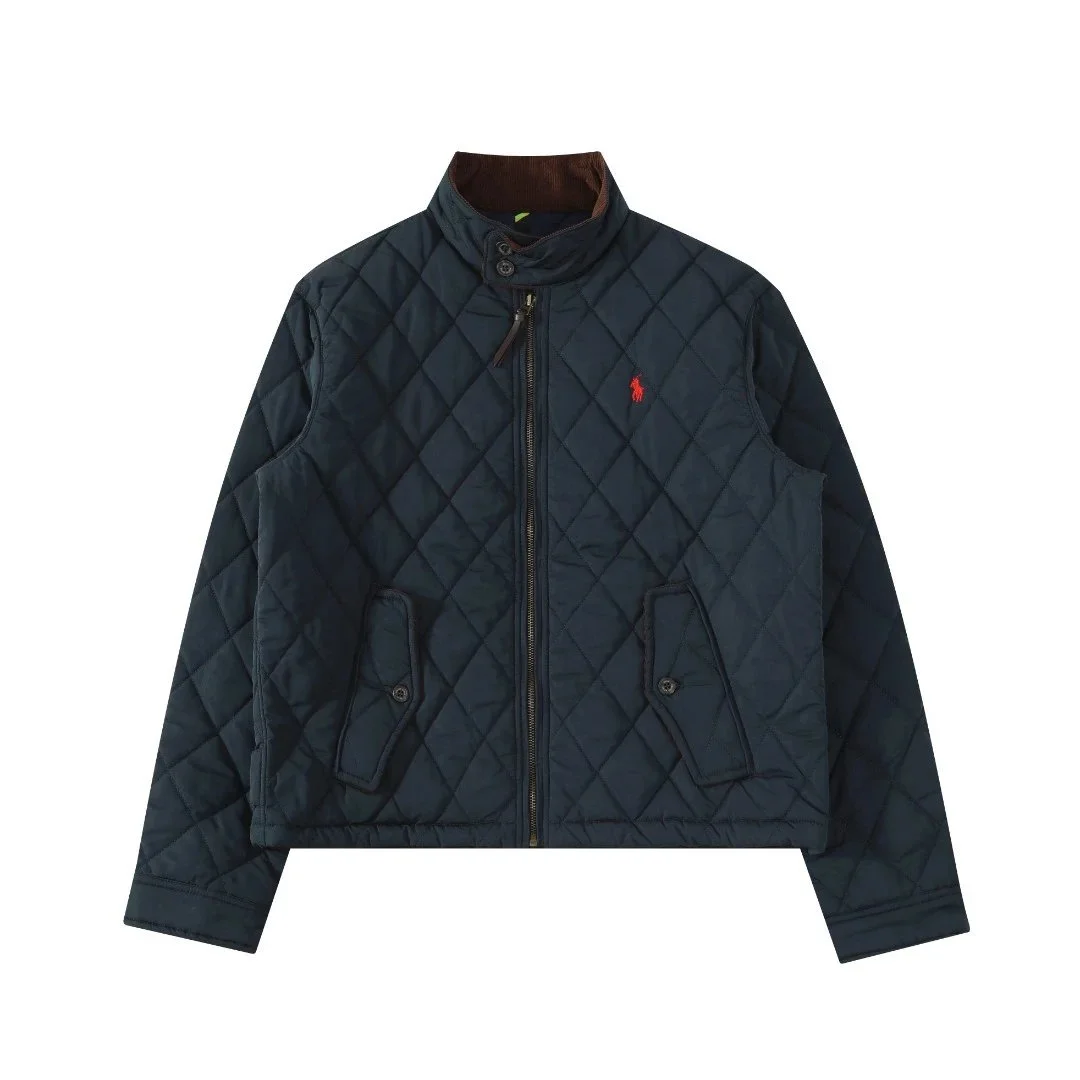 QC reference
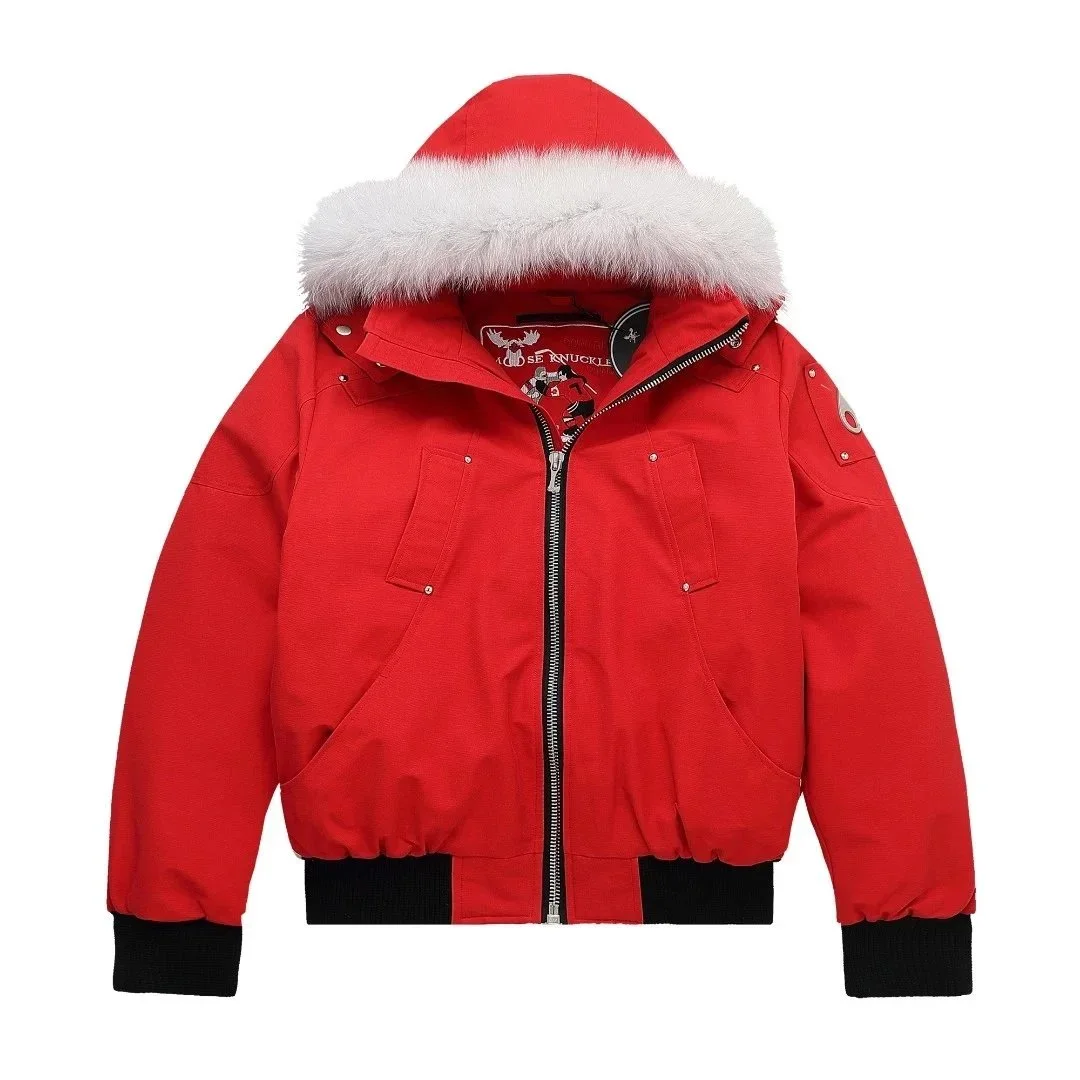 QC reference
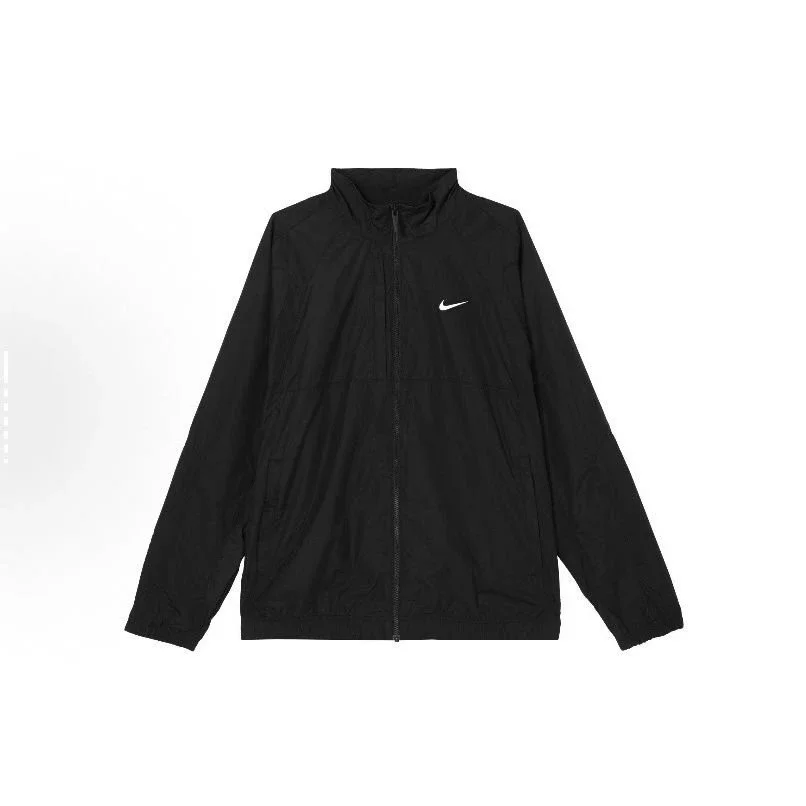 QC reference
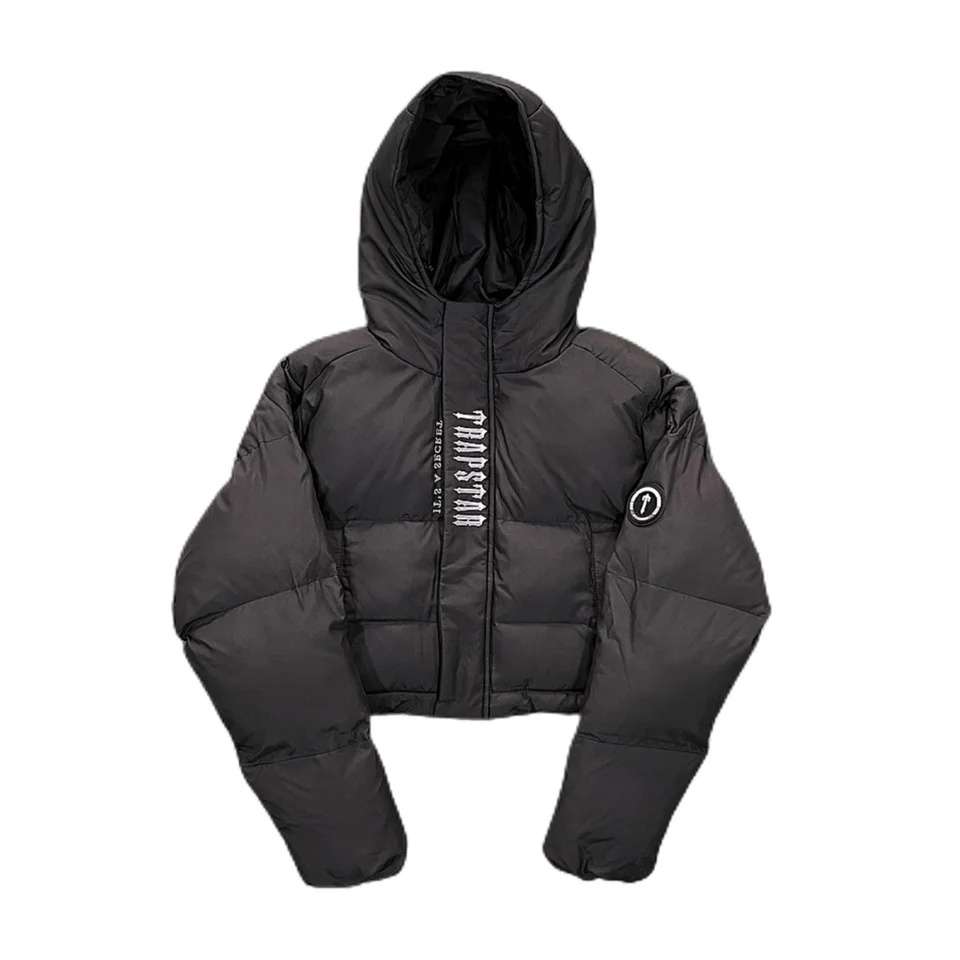 QC reference
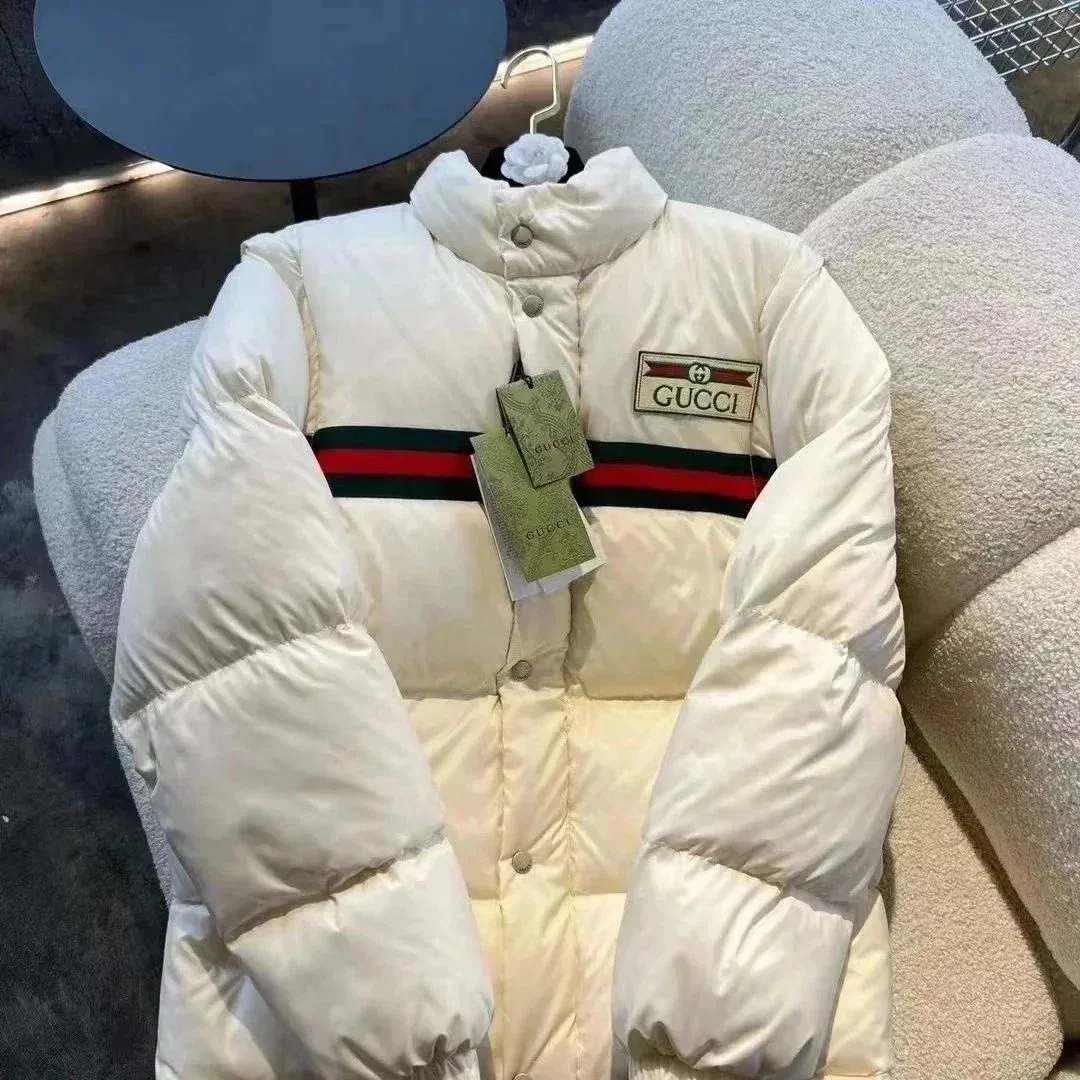 QC reference
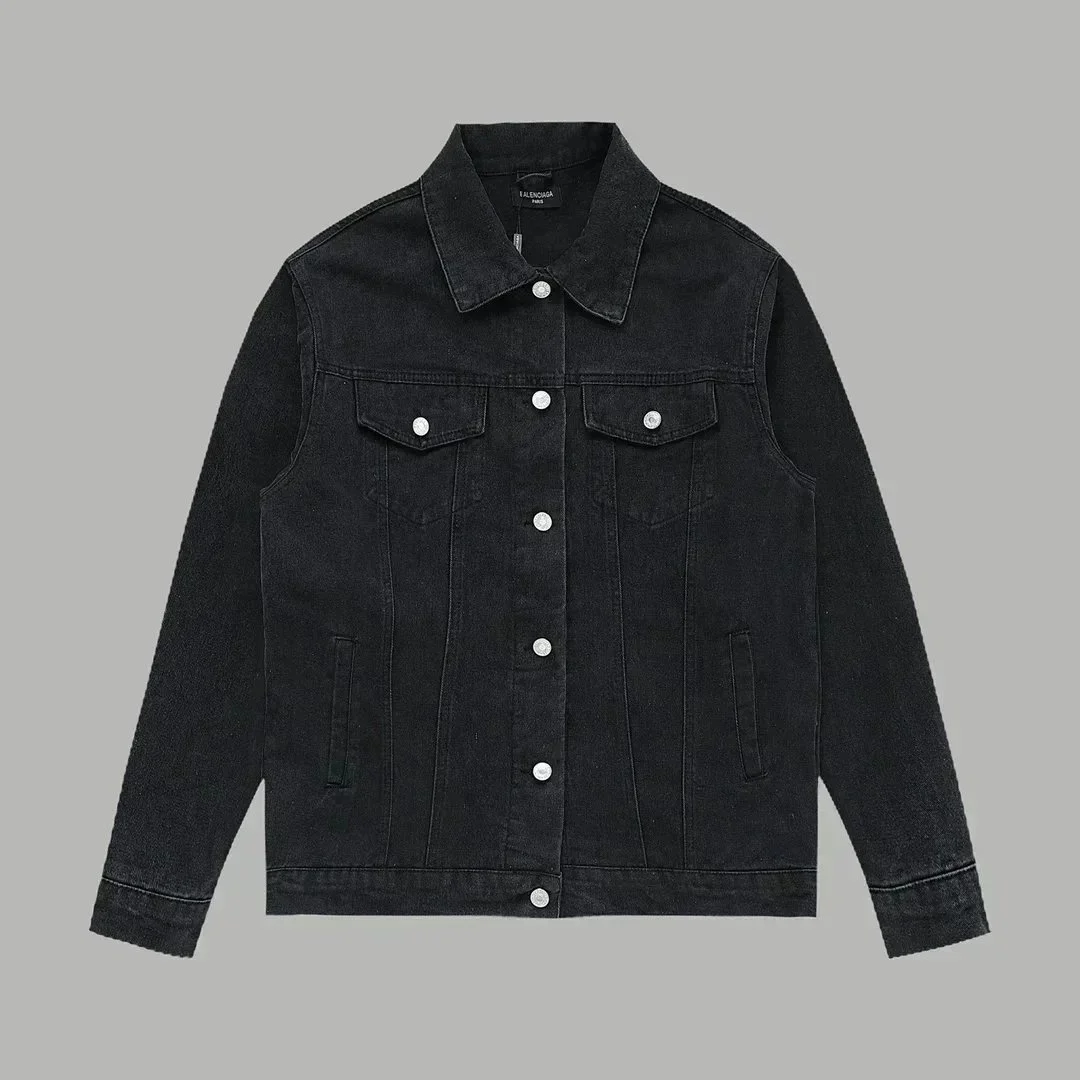 QC reference
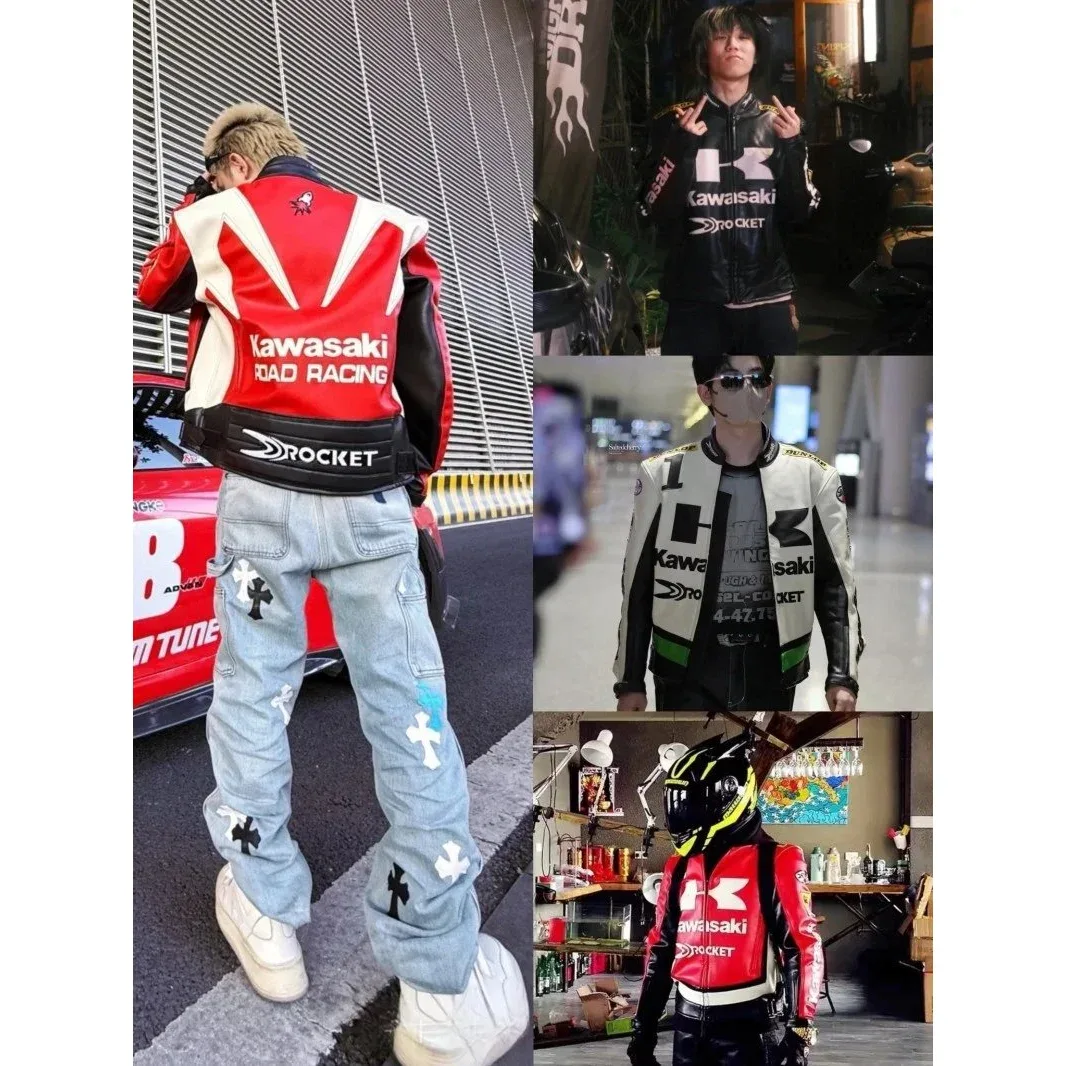 QC reference
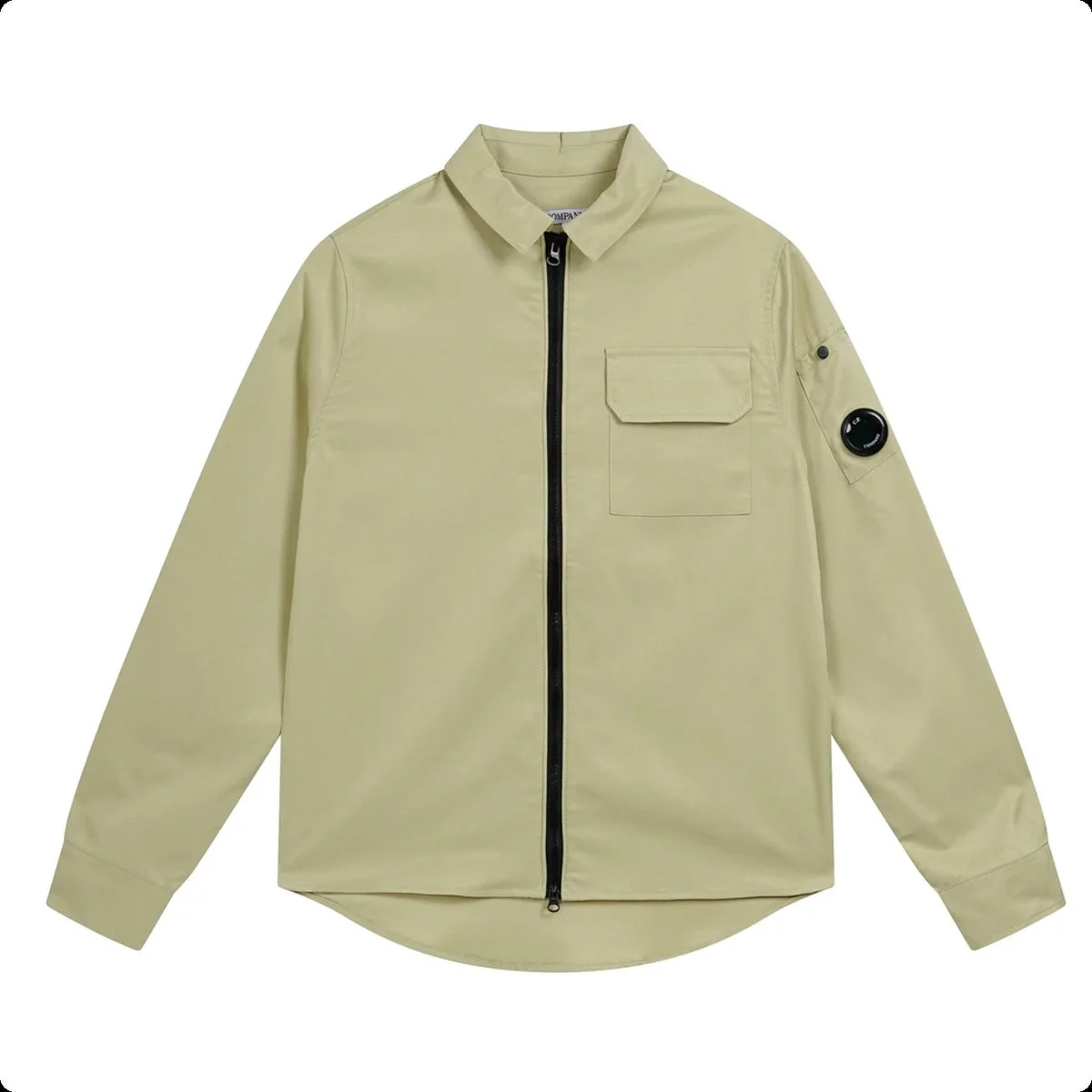 QC reference
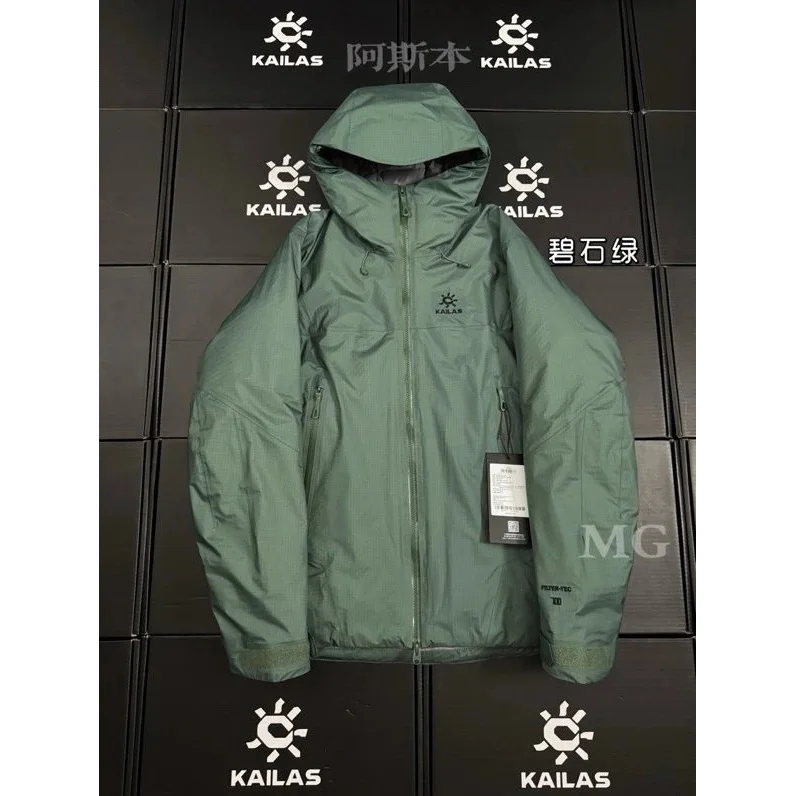 QC reference
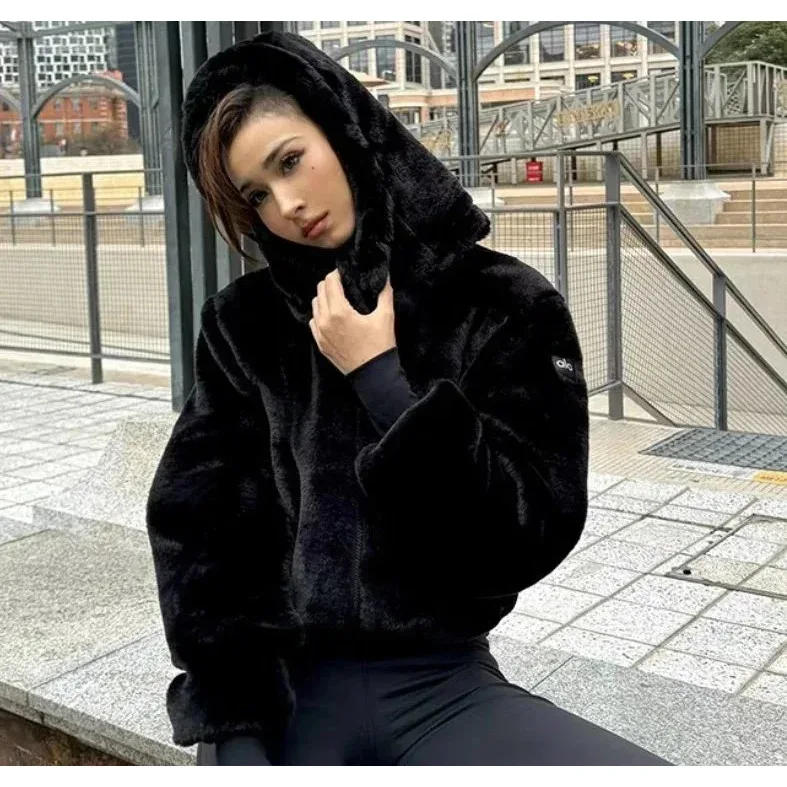 QC reference
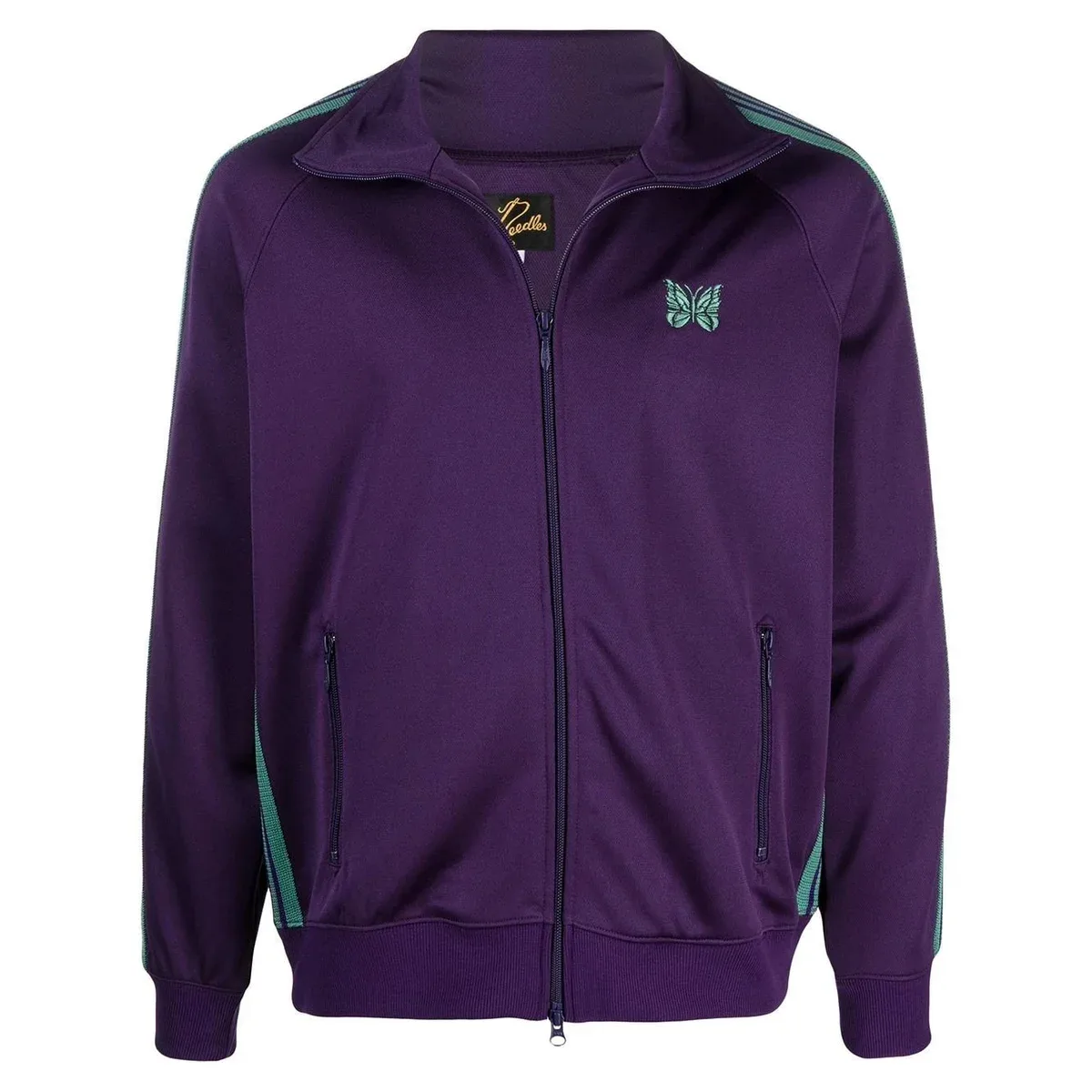 QC reference
Open a product for its saved details, then confirm the selected option and current price on the main site. International shipping and other fees are separate.
Browse more jacketsIllustration of comparison points · check the selected item’s specifications
SIZE & SPECIFICATION CHECKS
Use a jacket that fits comfortably over the layers you intend to wear. Compare garment measurements taken with the same fastening position and endpoints. A body chest circumference is different from a jacket’s flat chest width.
Fasten the reference jacket and lay it flat before measuring across the chest and hem. Confirm how the seller measures the item, particularly when the hem is adjustable.
Compare shoulder position and sleeve length together. Check the starting point for raglan and dropped-shoulder sleeves instead of comparing sleeve numbers alone.
Record the body or back length using the seller’s stated endpoints. Compare the collar, hood and hem coverage with a jacket you already own.
YOUR ORDER. YOUR CHECK.
Request full front, back and interior views of your order. After confirming the design, inspect the fastenings, lining, pockets and adjustable parts. Photos can show visible condition, but cannot verify insulation or weather-performance claims.
Check zip tracks, buttons and snaps against the listing. Request a function check if operation is important.
Inspect visible lining seams and the shape of padded panels. A photograph does not establish fill composition, fill quantity or warmth.
Compare the number and position of pockets, cuff adjusters and any removable parts.
Save the exact option and compare label information with your order. Ask for a clearer view of ambiguous details.
For checks on your own warehouse order, follow the QC inspection guide.
A FEW USEFUL ANSWERS
No. They describe different levels of water protection. Check specifications or test information for the exact item; a similar appearance, brand label or water-repellent surface does not establish waterproof performance.
Photos can show visible panels, lining and condition. They do not establish the insulation material, fill quantity or warmth during wear. Ask for the exact listing’s specifications if these affect your choice.
There is no fixed allowance for every jacket. Compare the listed garment measurements with a jacket that already fits over your intended layers, using the same measurement points.