Cut & Proportions
A boxy tee and a long, narrow tee can share the same label size. Compare width and length together.

THE PIKOBUY CATEGORY EDIT
Compare T-shirts by cut, garment measurements and design details. Check the neckline, sleeve length and print placement for the selected option before choosing a size.
24 selected finds · 23 named brand labels · Snapshot 5 Nov 2026
BEFORE YOU SHORTLIST
A boxy tee and a long, narrow tee can share the same label size. Compare width and length together.
Check the neck opening, sleeves and hem as well as the front print. Save a back view if the design continues there.
Body chest circumference and the flat width of a T-shirt are different measurements. Confirm which the listing uses.
DIFFERENT LABELS. MORE POSSIBILITIES.
Compare the item, its options and the reference price. Open a product for its saved details and available QC images. USD estimates exclude shipping and fees.
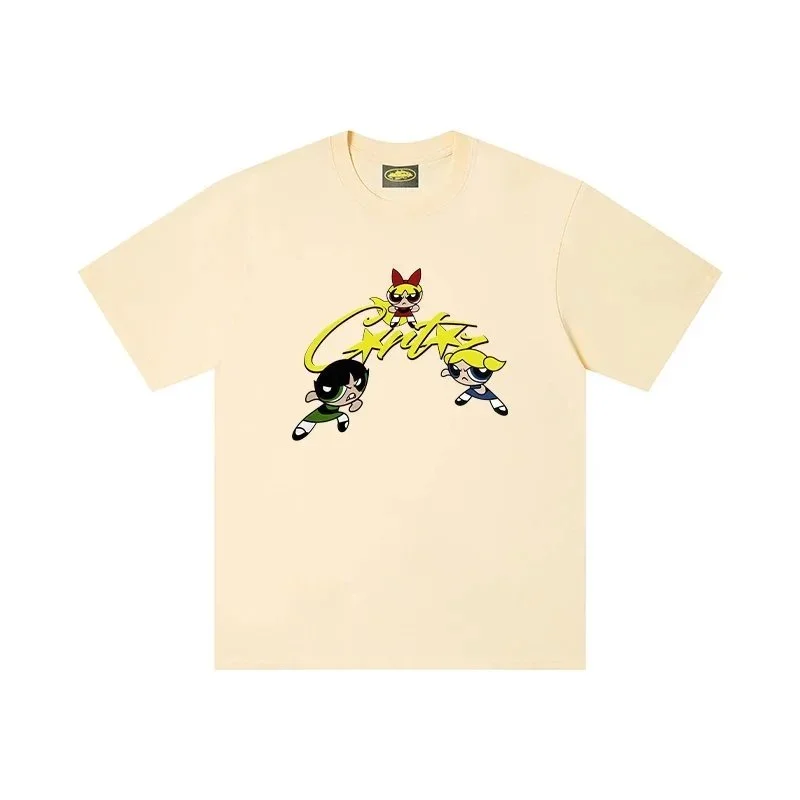 QC reference
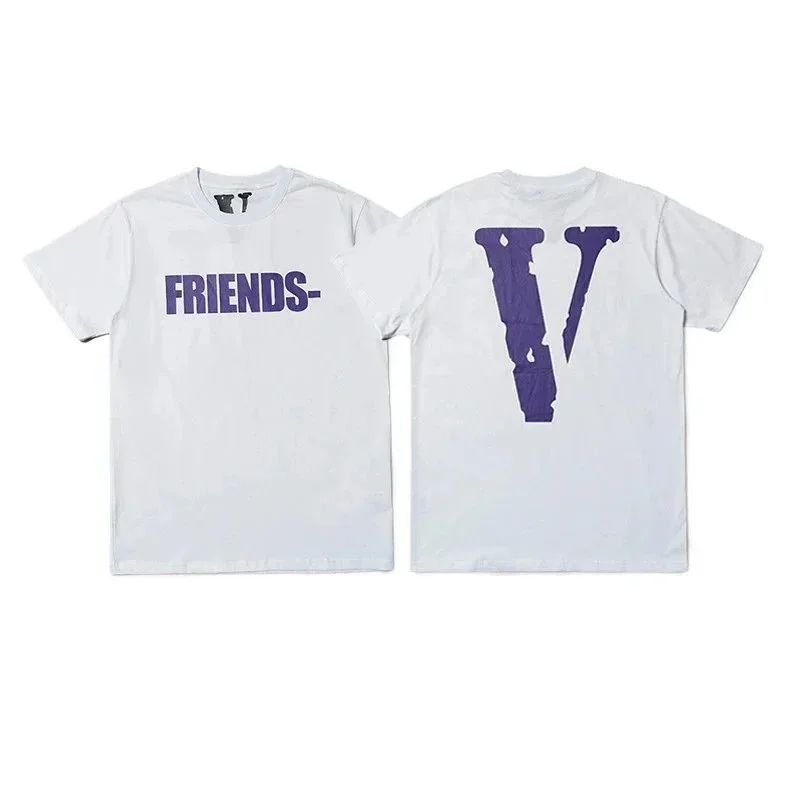 QC reference
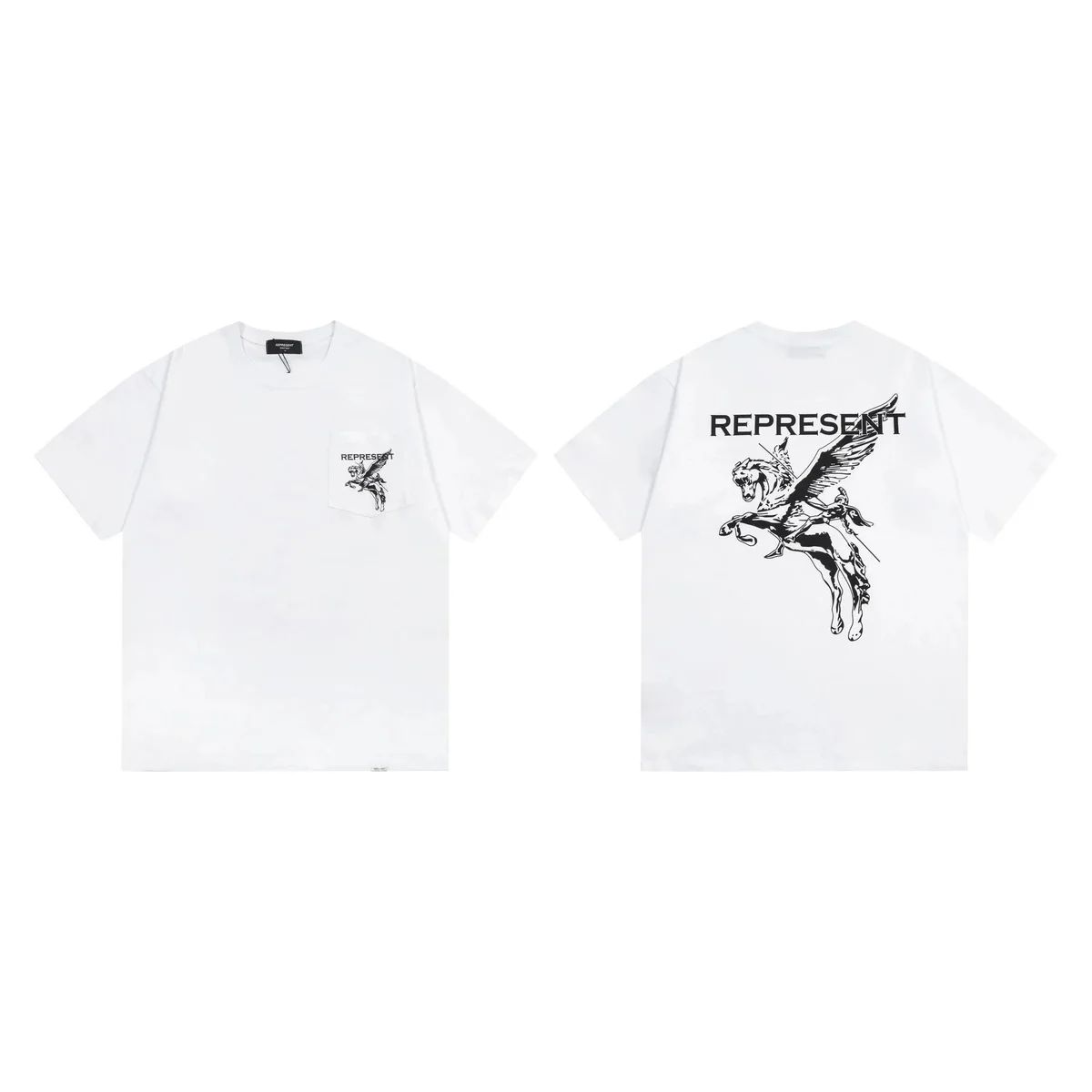 QC reference
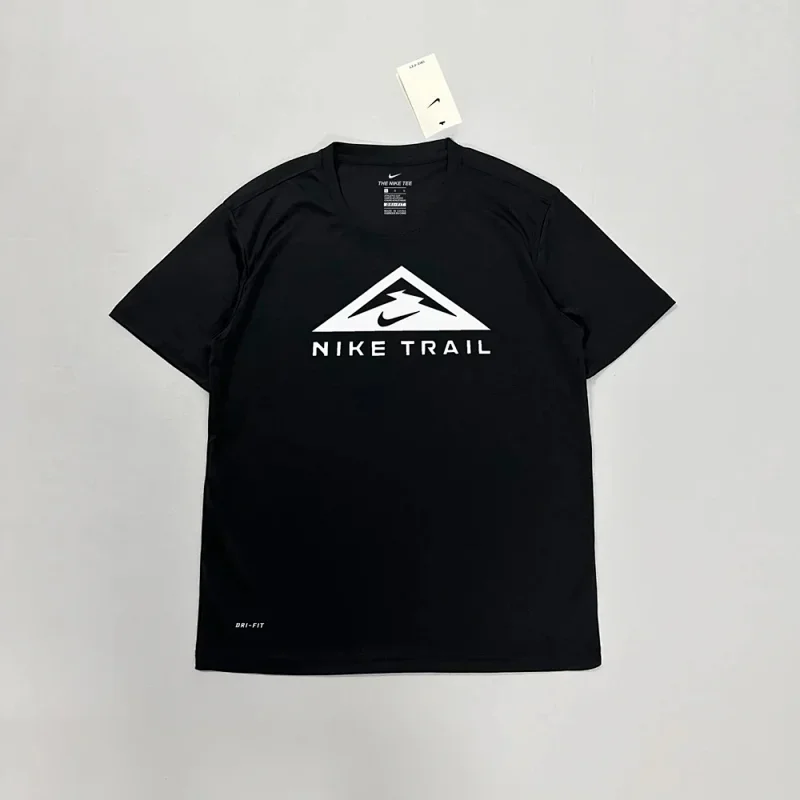 QC reference
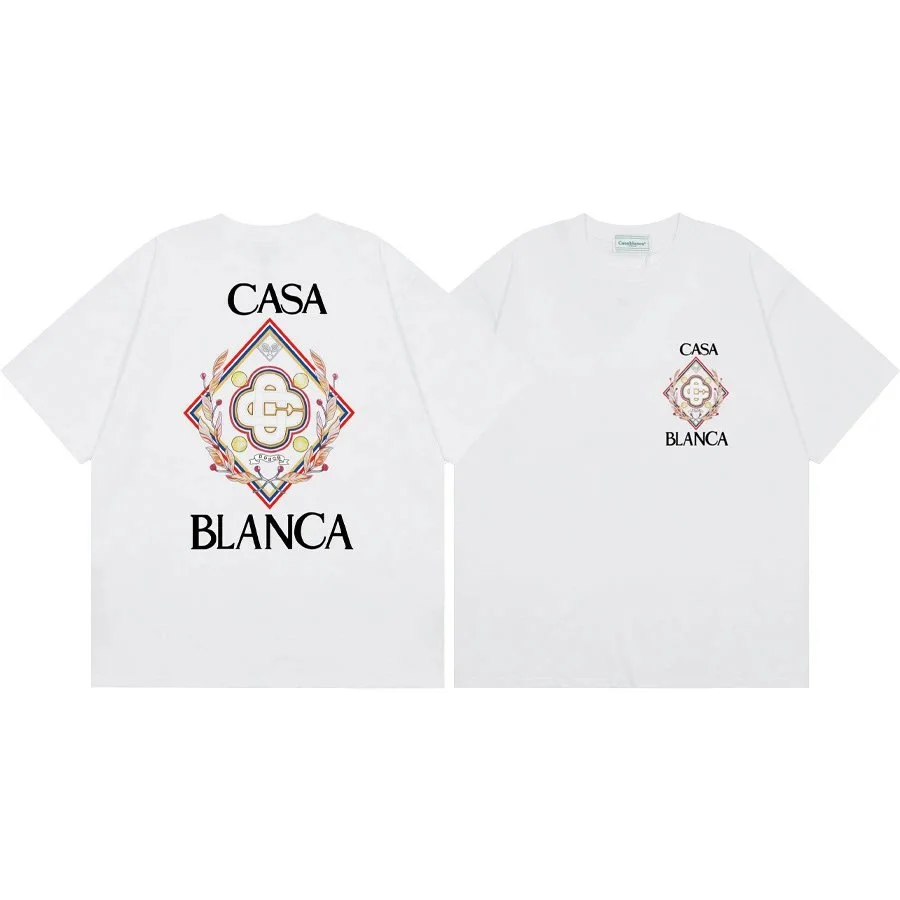 QC reference
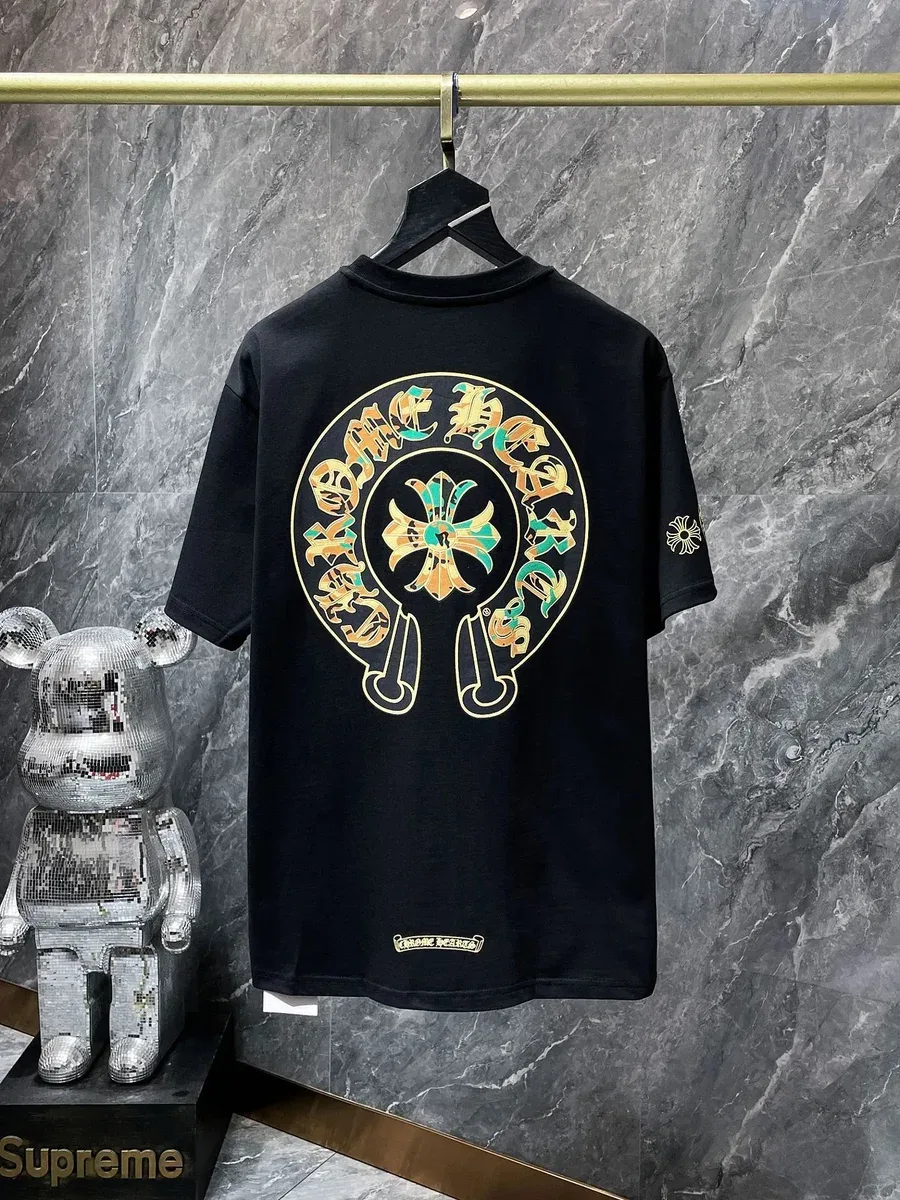 QC reference
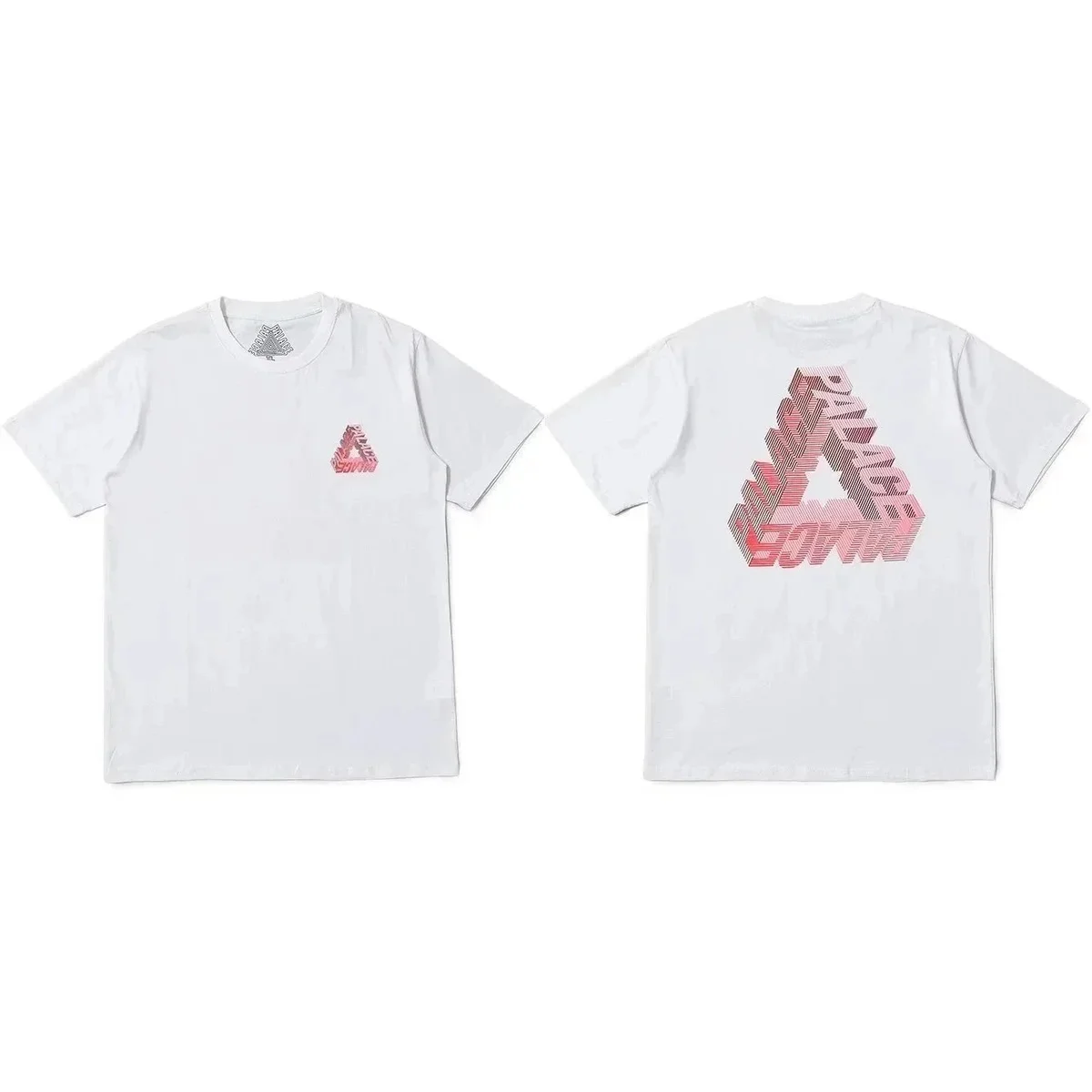 QC reference
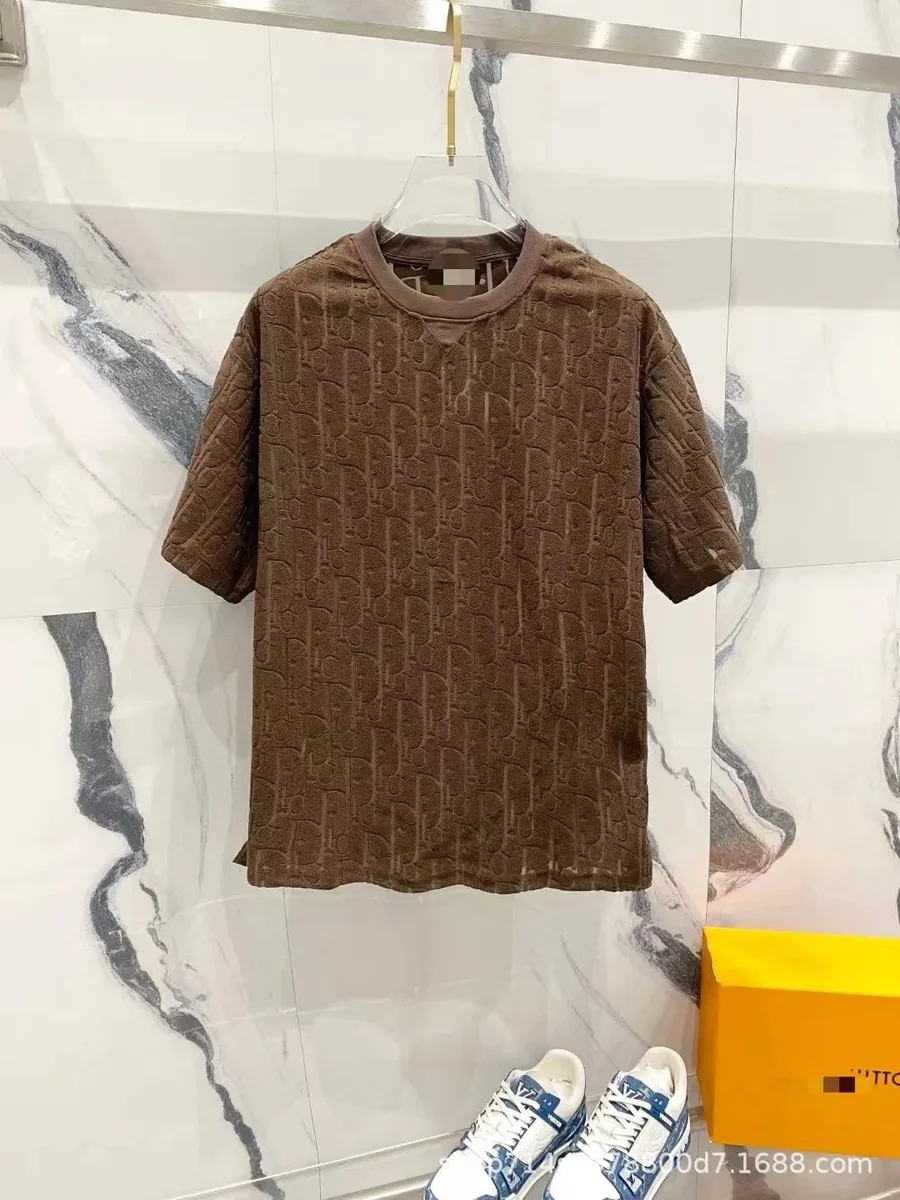 QC reference
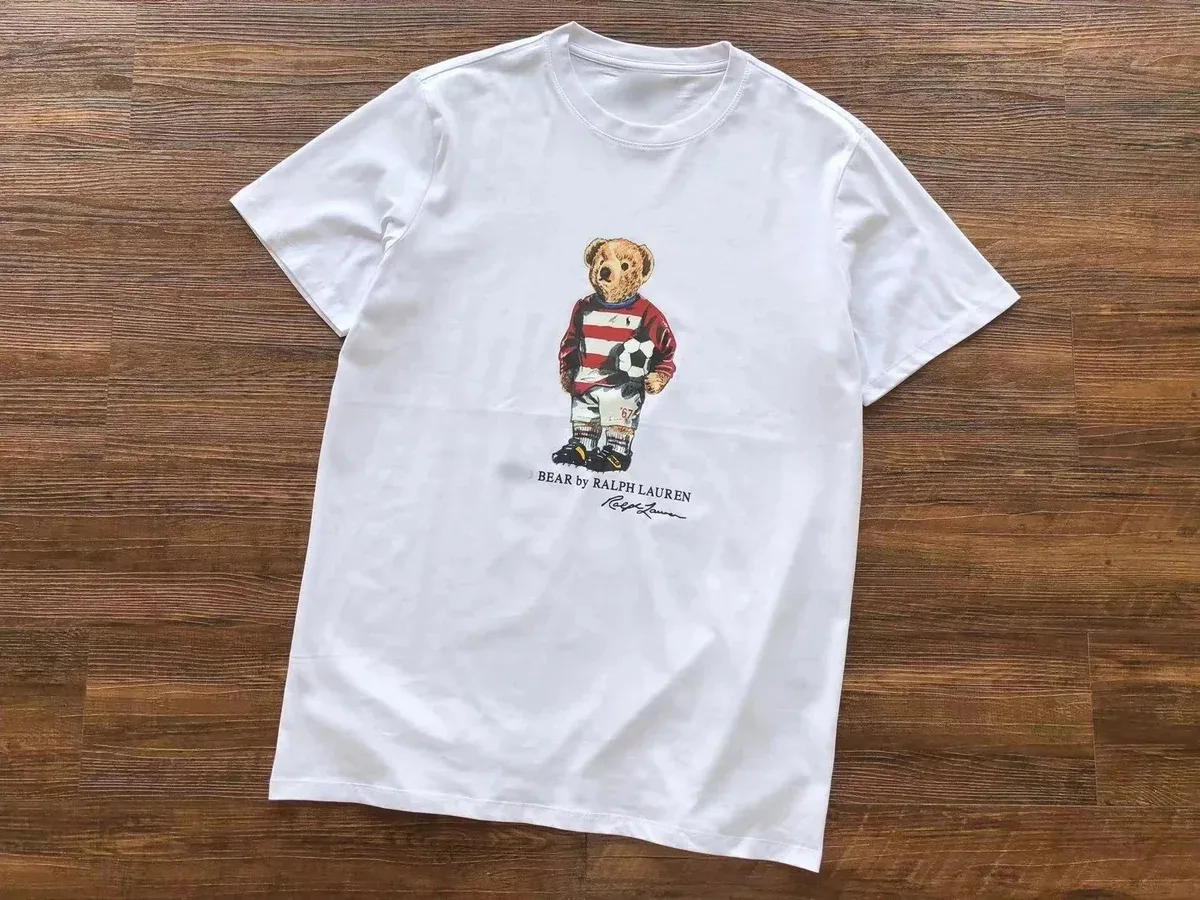 QC reference
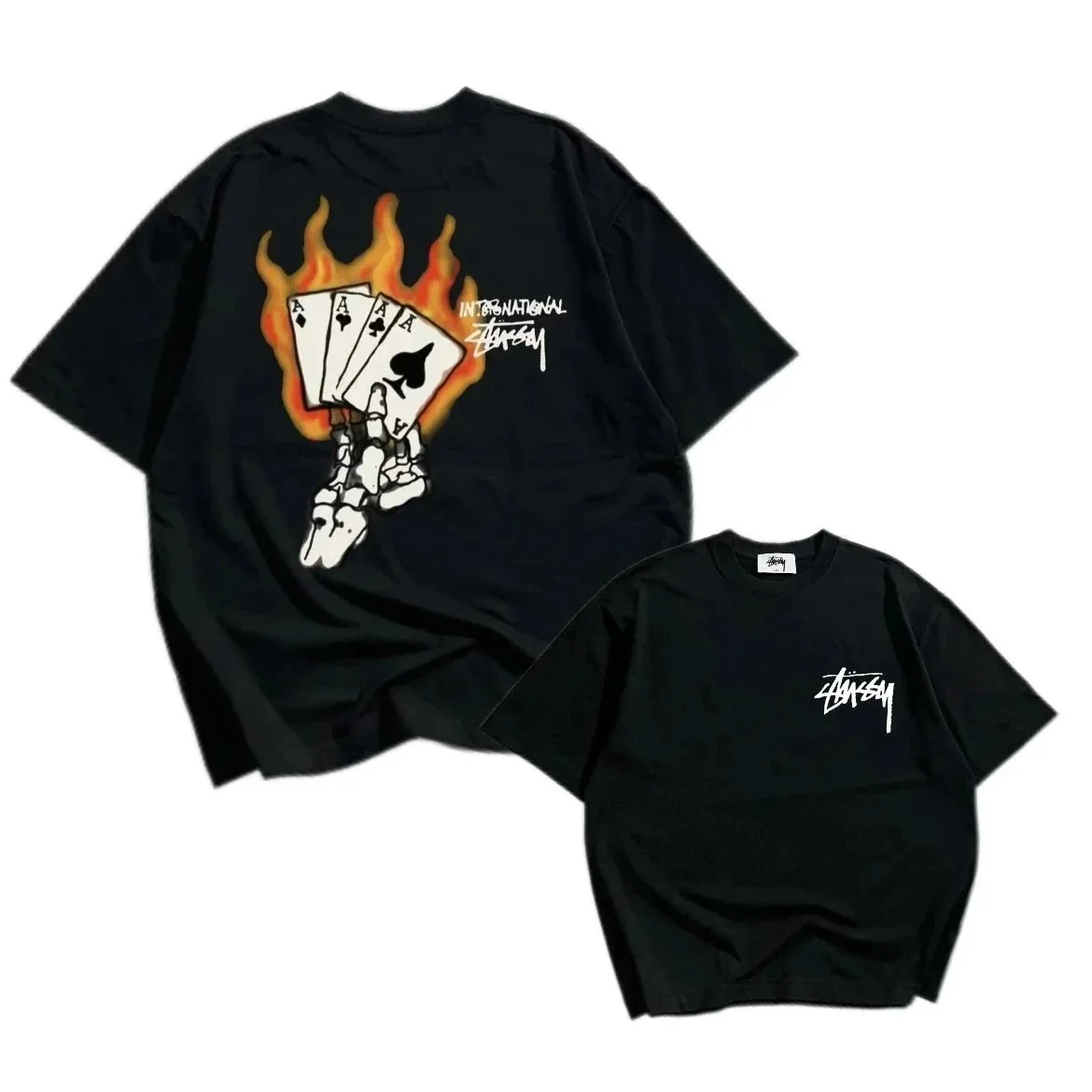 QC reference
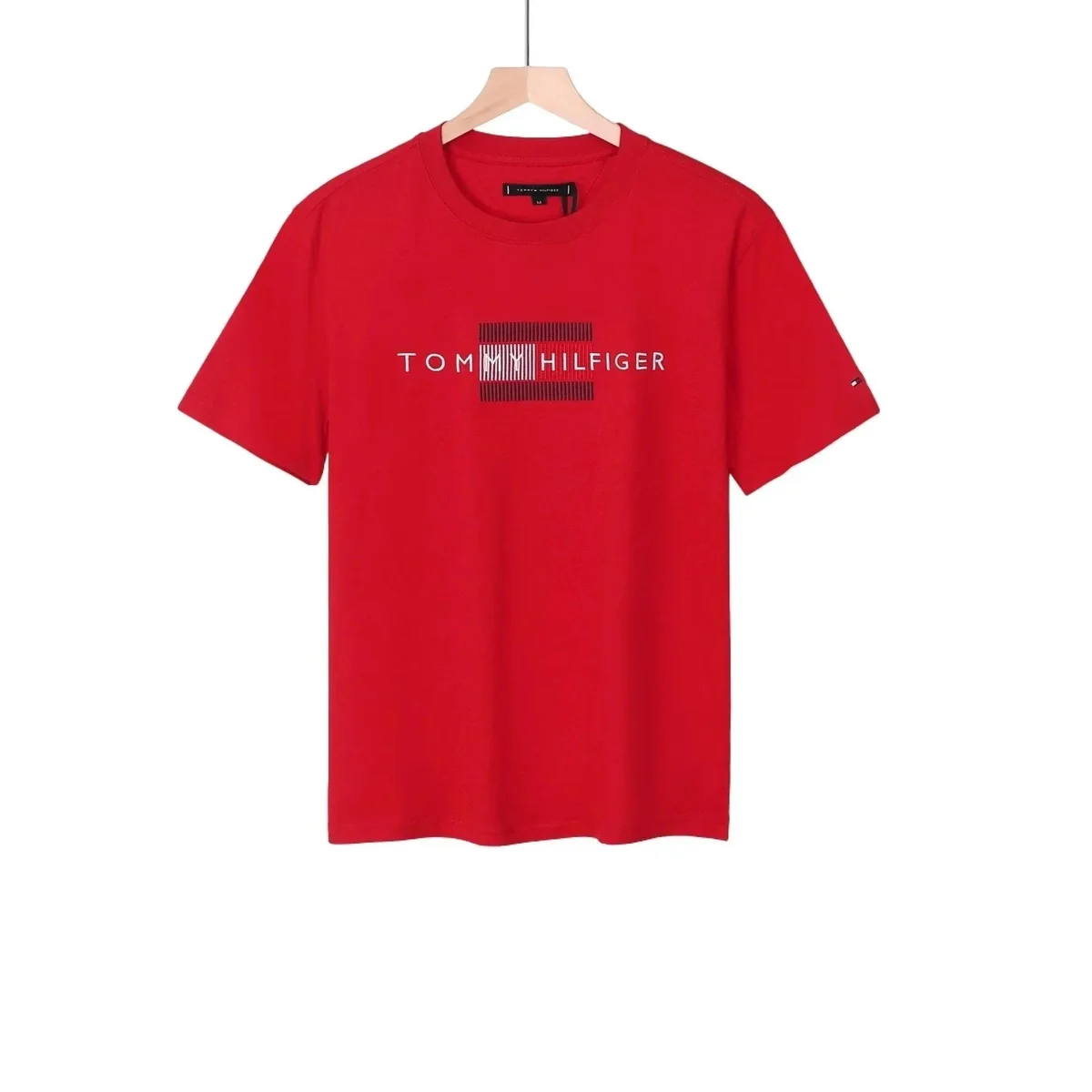 QC reference
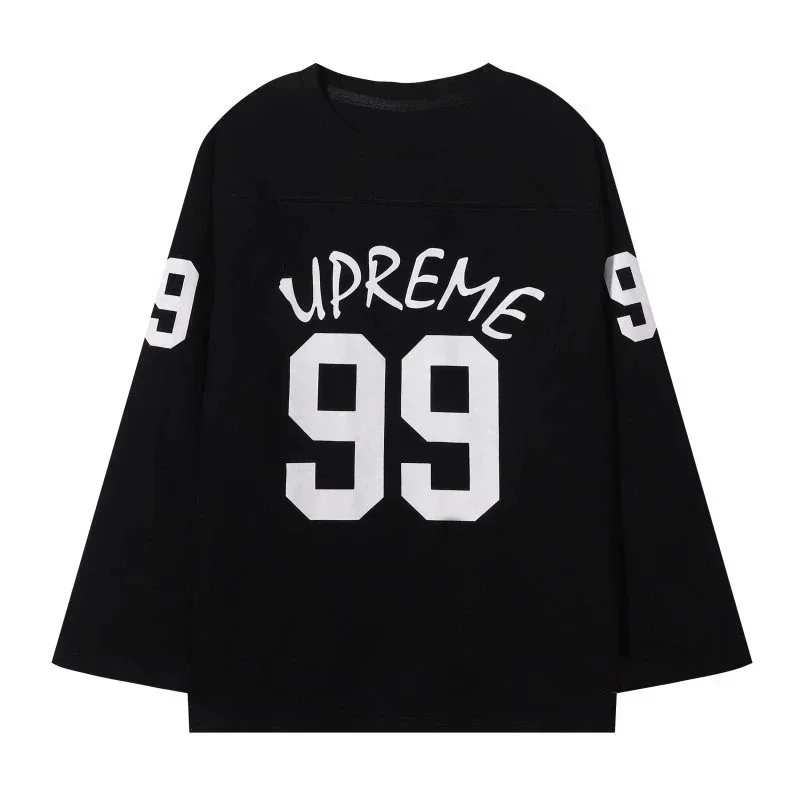 QC reference
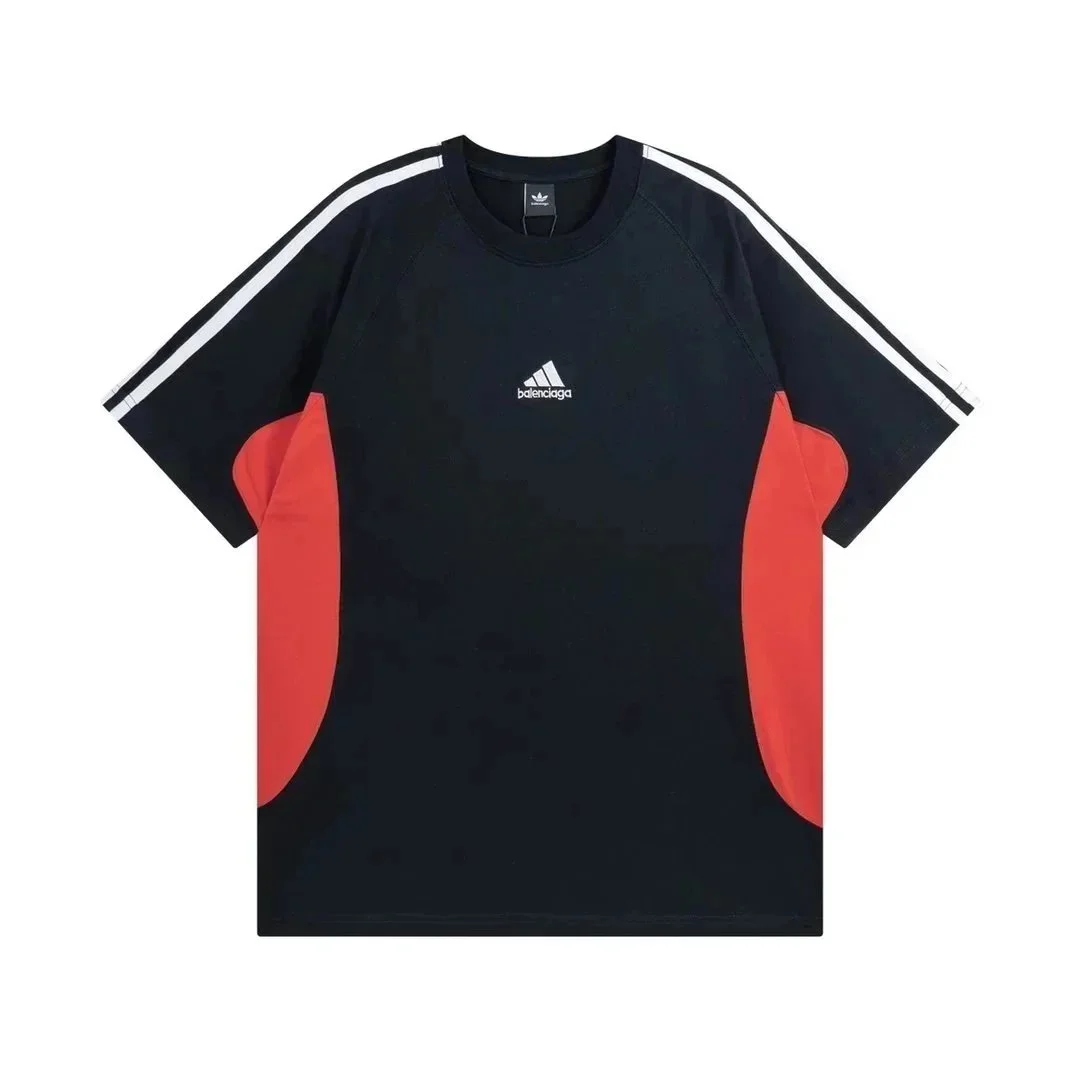 QC reference
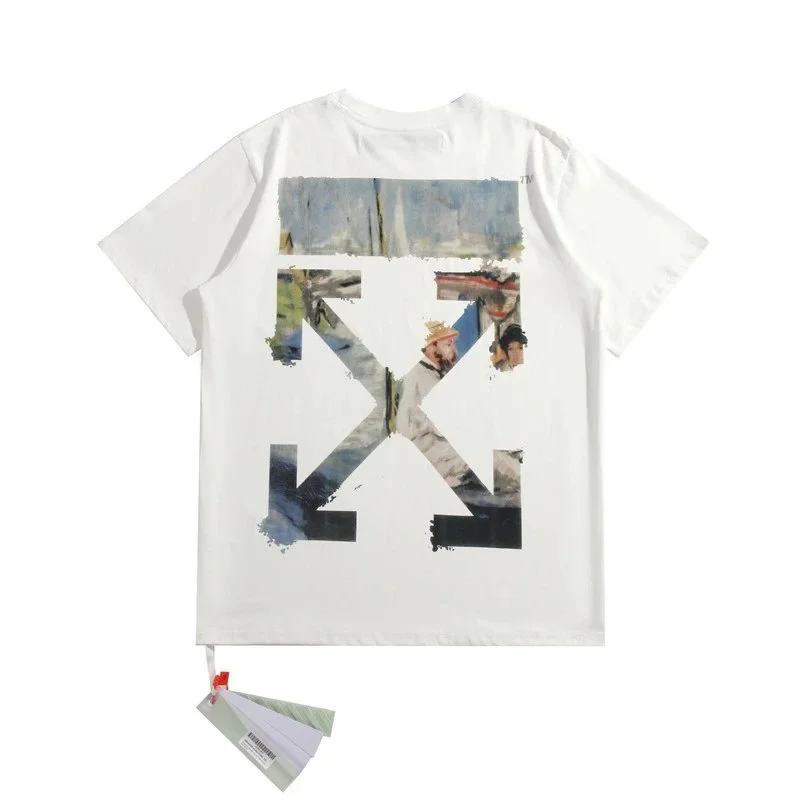 QC reference
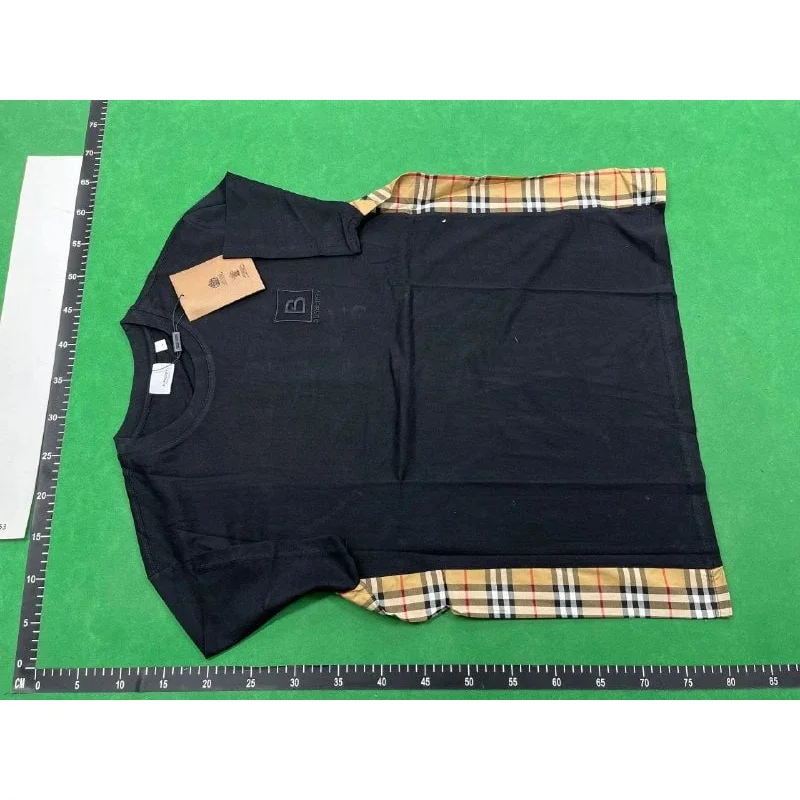 QC reference
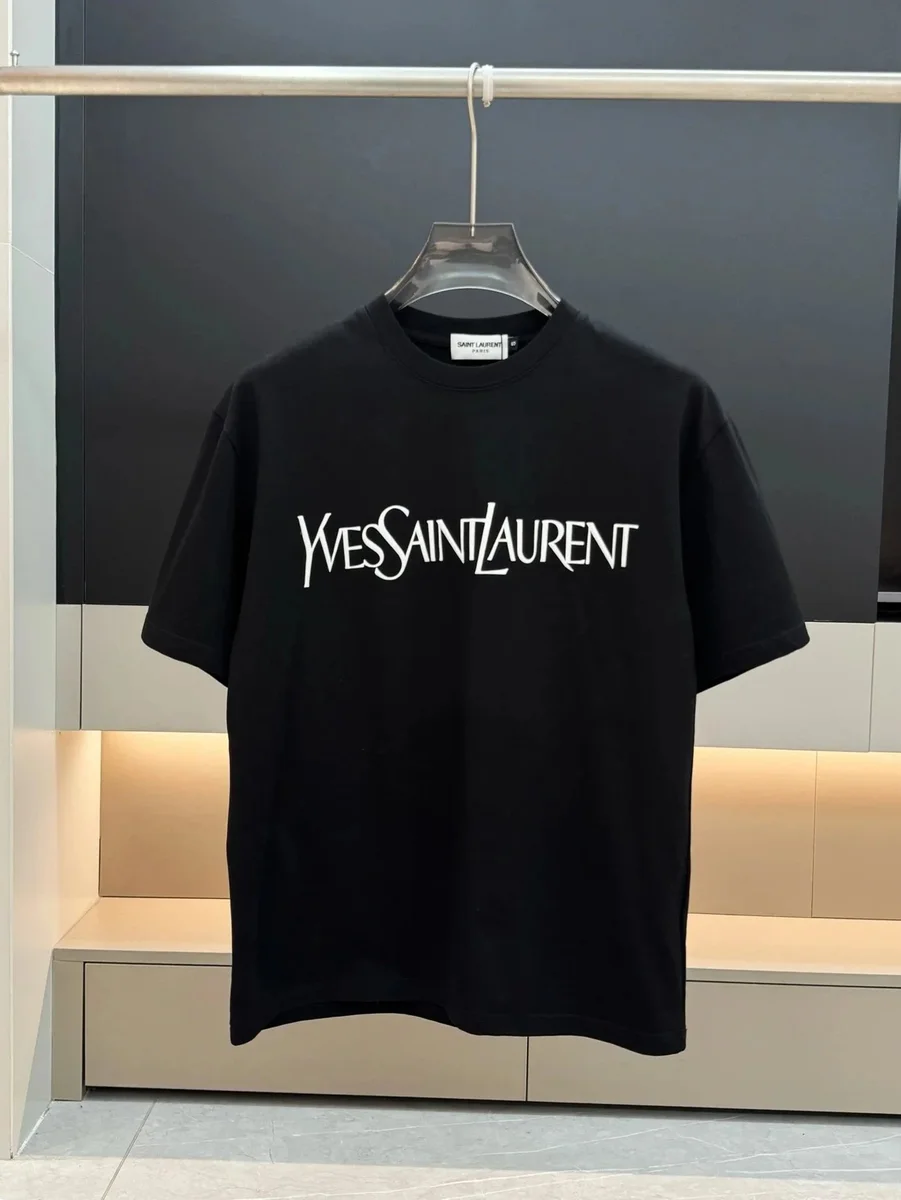 QC reference
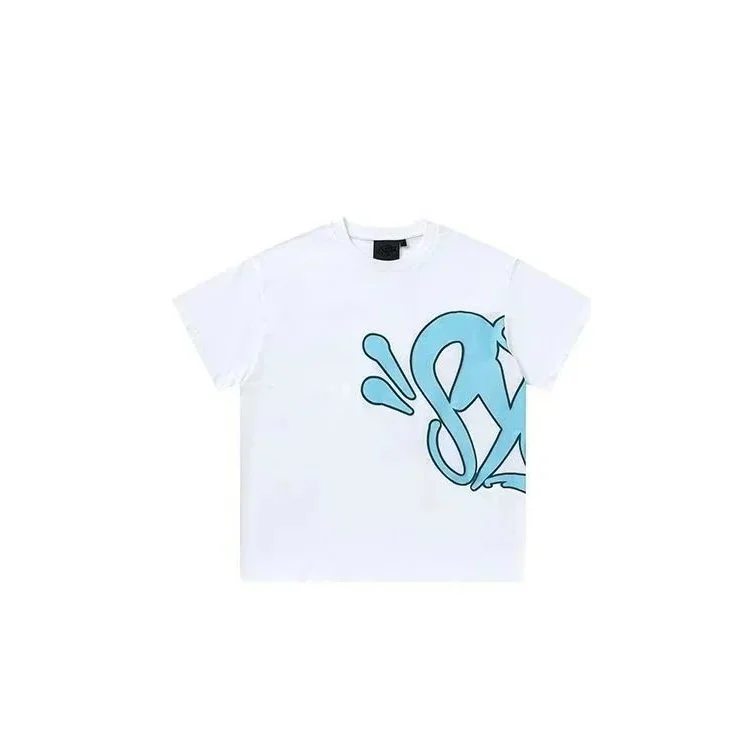 QC reference
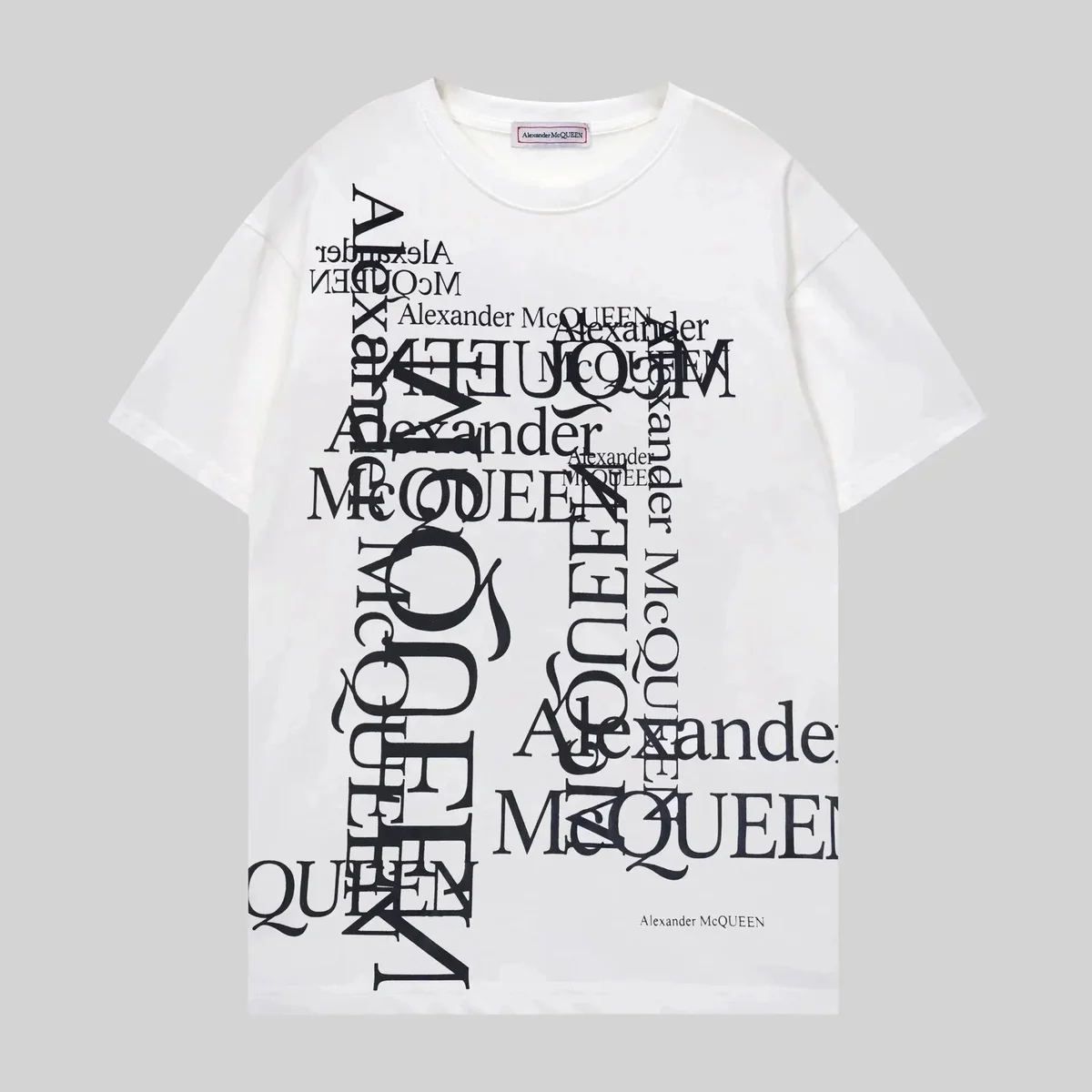 QC reference
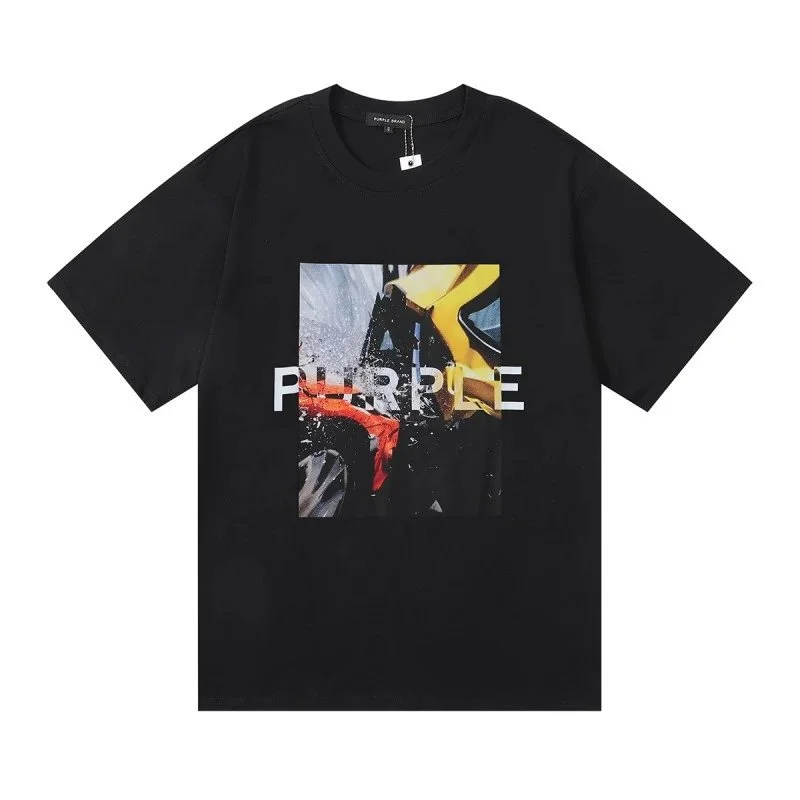 QC reference
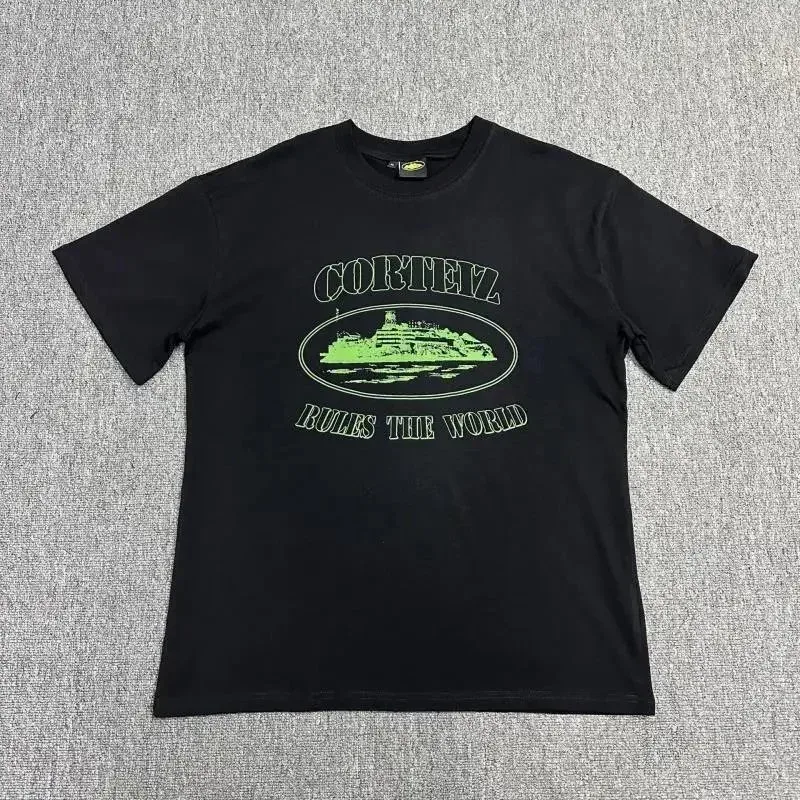 QC reference
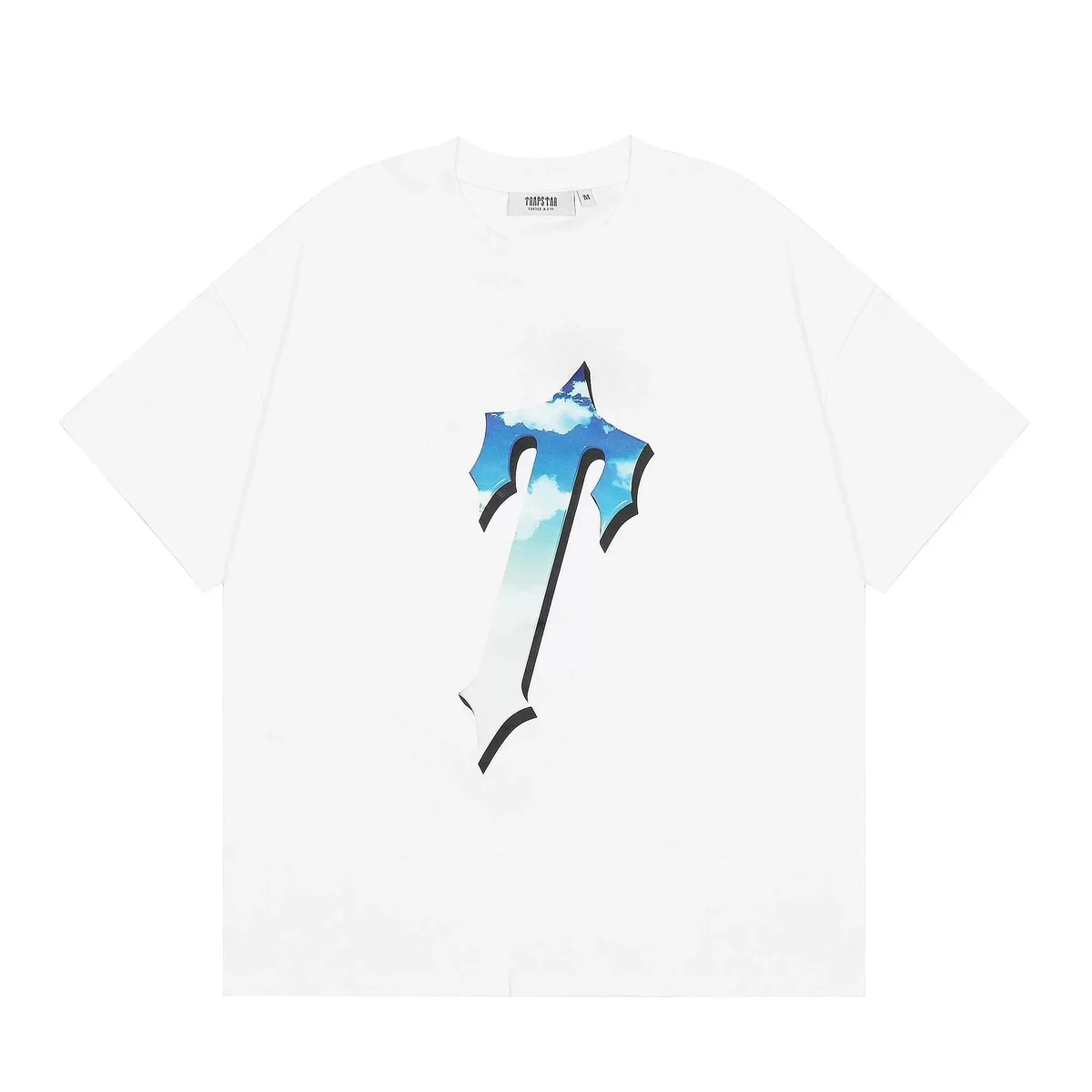 QC reference
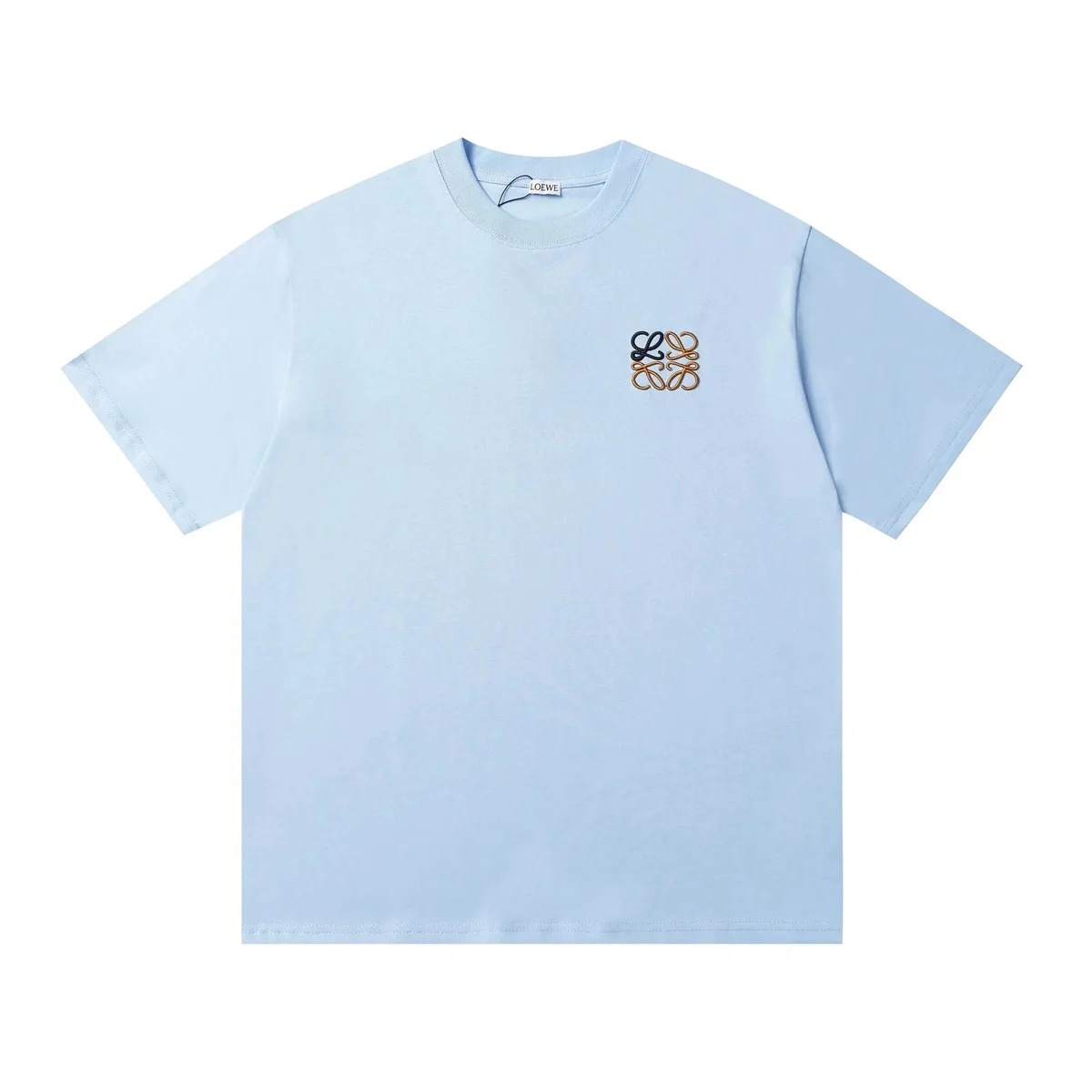 QC reference
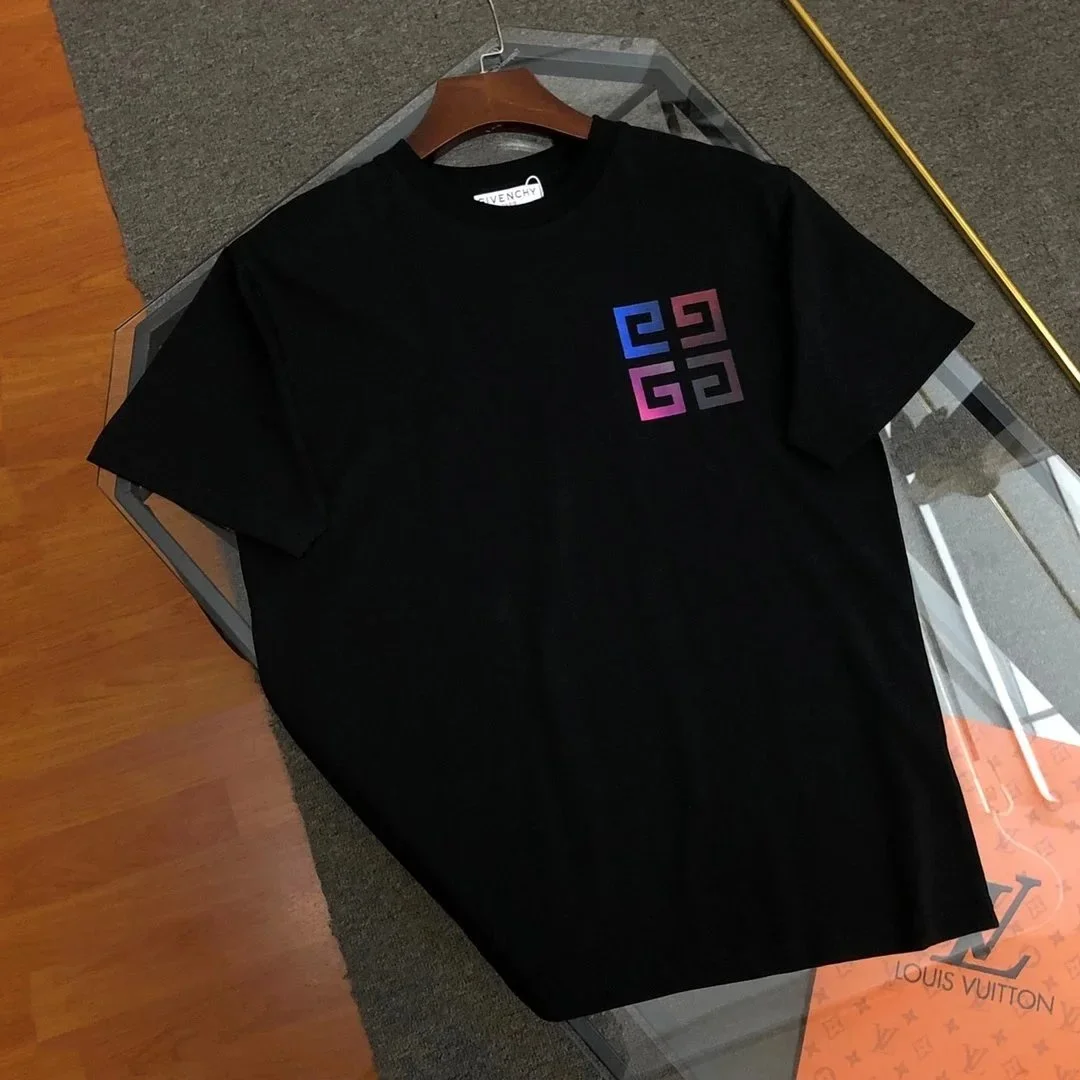 QC reference
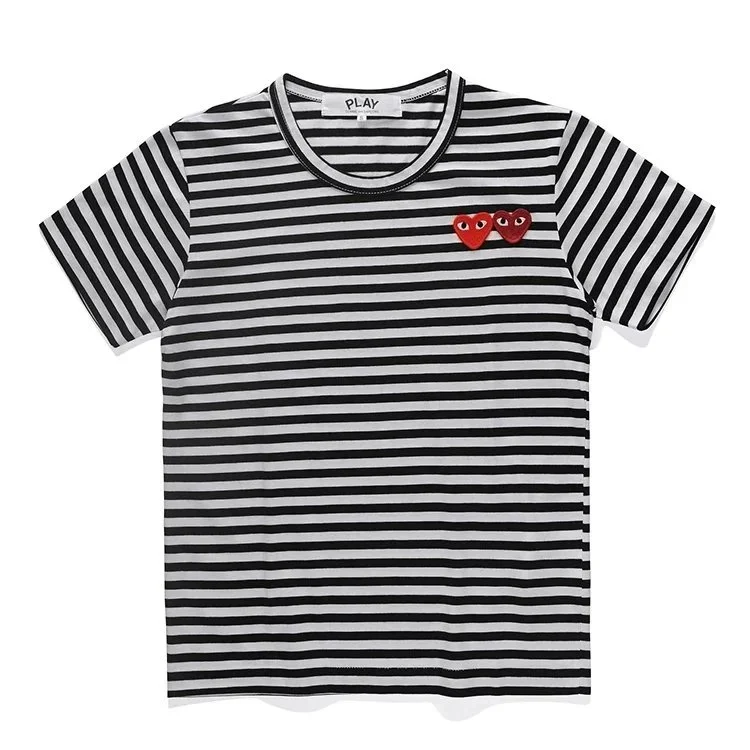 QC reference
Open a product for its saved details, then confirm the selected option and current price on the main site. International shipping and other fees are separate.
Browse more t-shirtsIllustration of comparison points · check the selected item’s specifications
SIZE & SPECIFICATION CHECKS
Use a T-shirt that fits the way you want. Lay it flat without stretching, then compare its measurements with a garment chart for the selected item. Check that both measurements use the same start and end points.
For examples of different proportions, see the T-shirt width and length comparison.
Measure from one underarm seam to the other with the shirt laid flat. Record this as garment width, not body chest circumference.
Measure from the shoulder point shown in the seller’s diagram to the hem. A centre-back measurement and a shoulder-to-hem measurement need separate comparisons.
Check shoulder width and sleeve length together. Confirm whether the sleeve starts at the shoulder seam or another point, especially for dropped-shoulder cuts.
YOUR ORDER. YOUR CHECK.
Request the whole front and back of your T-shirt before asking for close-ups. Match the graphic and colour to your order, then check the neckline, print or embroidery and hems. Historical QC may show a different design.
Compare the design, colour and placement with the saved listing option.
Look at the neck ribbing and seam, with the shirt resting naturally instead of stretched.
Compare the print or embroidery with the chosen design. If an area appears cracked, incomplete or blurred, request a close-up before deciding whether it differs from the listing.
Check the lower edge, sleeve hems and the size label against the selected option.
For checks on your own warehouse order, follow the QC inspection guide.
A FEW USEFUL ANSWERS
Check the measurement label. A 55 cm pit-to-pit value describes the width of a garment laid flat. A body chest measurement goes around the wearer. Compare flat garment widths with each other, and use body measurements only with a body-size chart.
An oversized cut may already have extra width or length. Compare the actual garment measurements with a T-shirt you like before changing the label size.
No. Garment weight describes the whole item; GSM describes fabric mass per square metre. A recorded QC parcel weight can also include packaging. Ask which quantity the listing provides.